BLONEX Review: AI-Powered Personalized Trading Features, Pricing, and Platform Capabilities
Review summary
BLONEX launched in October 2026 as a centralized exchange that pairs user-defined AI rules with spot and futures trading while keeping execution decisions with the trader.
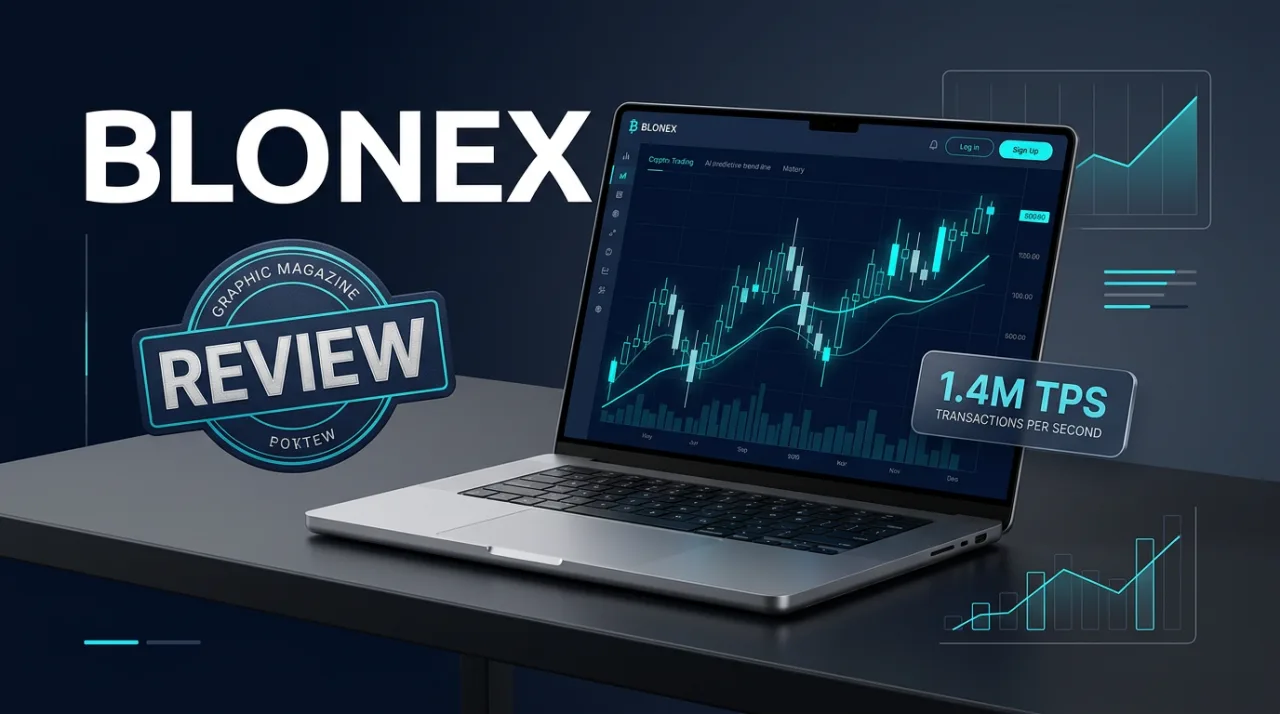
BLONEX is a centralized cryptocurrency exchange that began operations on October 1, 2026. It combines standard spot and perpetual futures markets with AI systems that analyze a user’s own trading rules rather than executing trades automatically.
BLONEX Overview, Key Features, and Platform Access
The platform runs on a matching engine rated at 1.4 million transactions per second and lists 99.99 percent uptime for spot, futures, and derivatives products. It supports operations in more than 150 countries and requires 2FA or passkeys plus address whitelisting for withdrawals. Users set custom trading rules such as leverage caps or stop-loss reminders; the AI issues alerts when behavior deviates from those rules but never places orders without explicit confirmation.
Two AI modes exist: Beginner mode supplies basic trend and volatility signals, while Pro mode adds discipline scoring and behavioral reports. Access to expanded customization requires holding specified amounts of the native BLON token, starting at roughly 1,000 BLON for entry-level features. The exchange stores the majority of assets in cold wallets and publishes proof-of-reserves attestations, though independent audits of trading volume remain limited at this early stage.
Registration follows standard KYC steps common to most centralized platforms. The interface presents order books, position trackers, and real-time AI feedback panels side by side. No public information confirms the exact number of trading pairs available as of late October 2026.
BLONEX Pricing, Security Measures, and User Reports
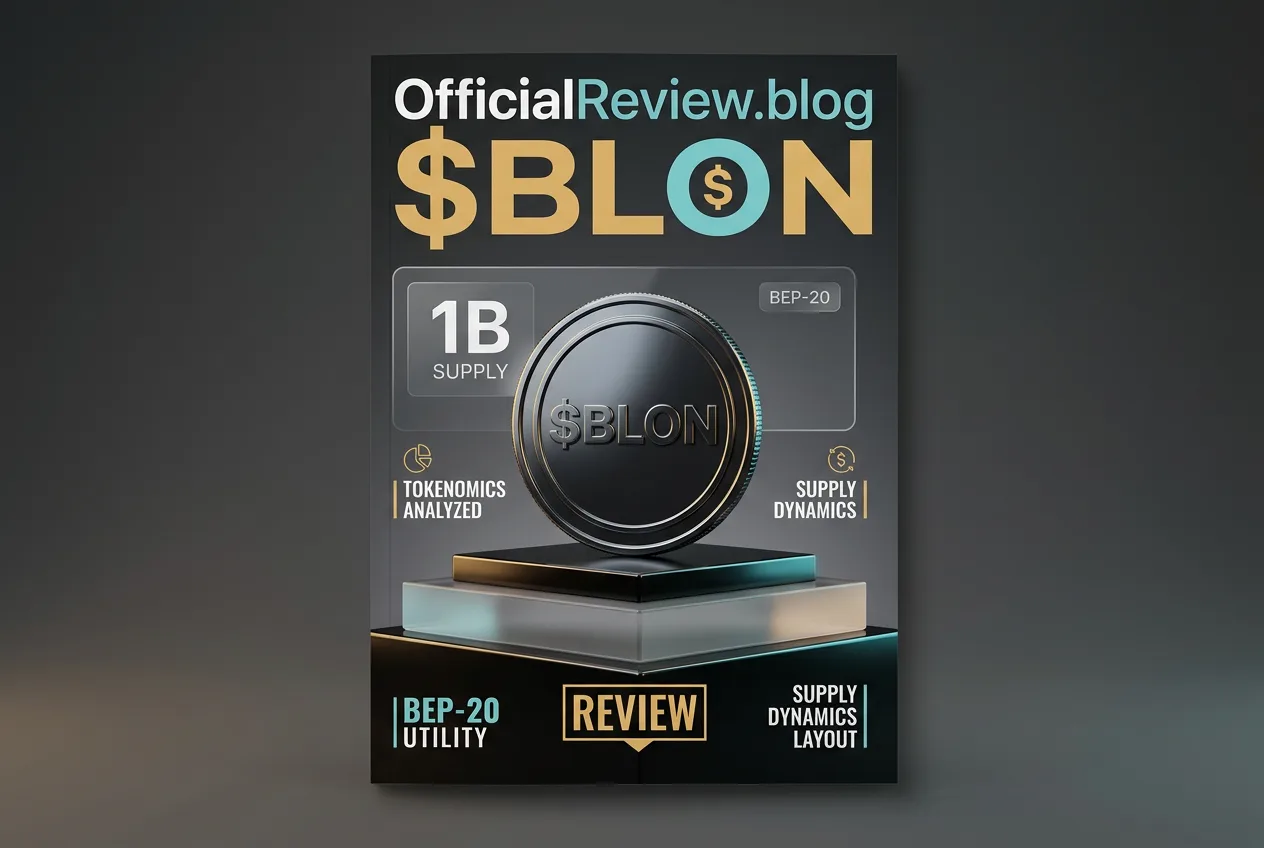
Trading fees and subscription tiers have not been published on the official site. The $BLON token, issued as a BEP-20 asset on BNB Chain with a total supply of one billion, is sold in a presale that runs through late 2026 at staged prices from $0.05 to $0.45. Token holders receive fee discounts, governance rights, and higher AI tier access; staking options allow daily reward claims subject to vesting schedules that release 15 percent immediately in some phases.
Security features include mandatory behavioral verification, anti-phishing code checks, and real-time risk monitoring. The project states it maintains cold storage and proof-of-reserves reports, yet third-party confirmation of reserve audits or incident history is not yet available. Self-reported user figures list approximately 4.2 million active traders, though independent volume data is absent.
Public user feedback remains sparse because the exchange opened only weeks ago. Early comments on social channels mention clear rule-alert systems but note the absence of detailed fee schedules. Some traders question the lack of live order-book depth data during the initial rollout period.
BLONEX Limitations, Competitor Comparison, and Final Assessment
Independent verification of trading volume, exact pair counts, and audited reserves is still limited. The token has not yet appeared on major price trackers, and post-presale listing details remain pending. These gaps make it difficult to assess long-term liquidity or operational stability against established platforms.
| Platform | AI Tools | Fee Transparency | Reserve Audits |
|---|---|---|---|
| BLONEX | User-defined rule alerts, no auto-execution | Not published | Self-reported proof of reserves |
| Binance | Basic signals and copy trading | Public maker-taker schedule | Regular third-party audits |
| Bybit | Trading bots and alerts | Published fee tiers | Proof of reserves with attestations |
Compared with Binance and Bybit, BLONEX places heavier emphasis on personalized discipline scoring yet provides less public detail on fees and reserves. Its AI stops short of automated execution, which differentiates it from bot-focused competitors but also limits convenience for users seeking hands-off strategies.
BLONEX offers a novel approach to rule-based AI assistance on a centralized exchange, but the absence of published fees, limited independent audits, and recent launch introduce uncertainty around reliability and cost structure. Potential users should review the current presale terms and available documentation before committing funds.
Frequently asked questions
Does BLONEX execute trades automatically?
No. The platform’s AI supplies alerts and discipline reports but requires explicit user confirmation before any order is placed.
What is the current status of BLONEX trading fees?
No public fee schedule has been released. Token holders are expected to receive discounts once the full fee structure is published.
How many countries does BLONEX support?
The exchange states it operates in more than 150 countries, subject to local regulations.
Is the BLON token listed on major exchanges?
As of October 2026 the token remains in presale and has not yet appeared on major price trackers or spot markets.
Comments
No comments yet. Be the first!