Jack Henry GCUL Review: Tokenized Deposits Integration with Google Cloud Universal Ledger
Review summary
Jack Henry announced integration with Google Cloud Universal Ledger in October 2026 to support tokenized deposits for community banks and credit unions.
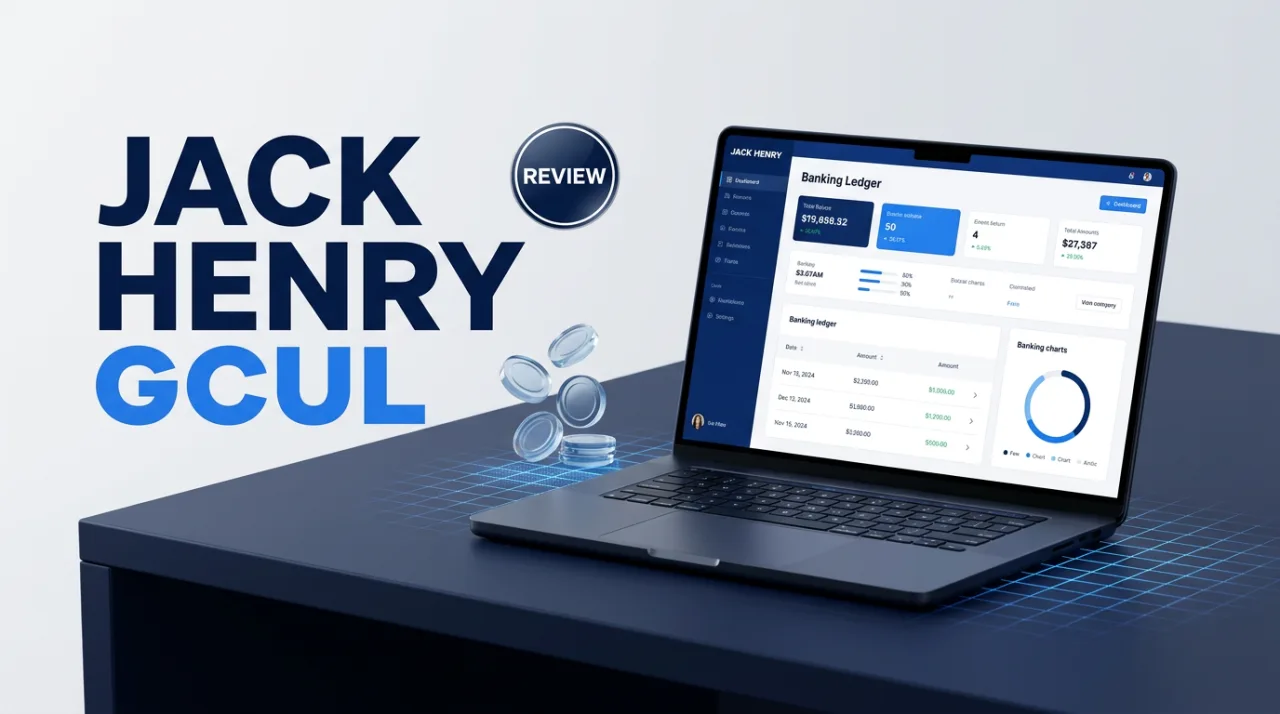
Jack Henry & Associates announced on October 16, 2026, an expansion of its Google Cloud partnership to integrate with Google Cloud Universal Ledger (GCUL) for tokenized deposits. The move positions Jack Henry as the first core banking provider to connect its platform to this distributed ledger service, targeting community and regional banks plus credit unions. No production deployments or customer pilots have been confirmed as of October 20, 2026.
Jack Henry GCUL Review: Integration Features and Benefits
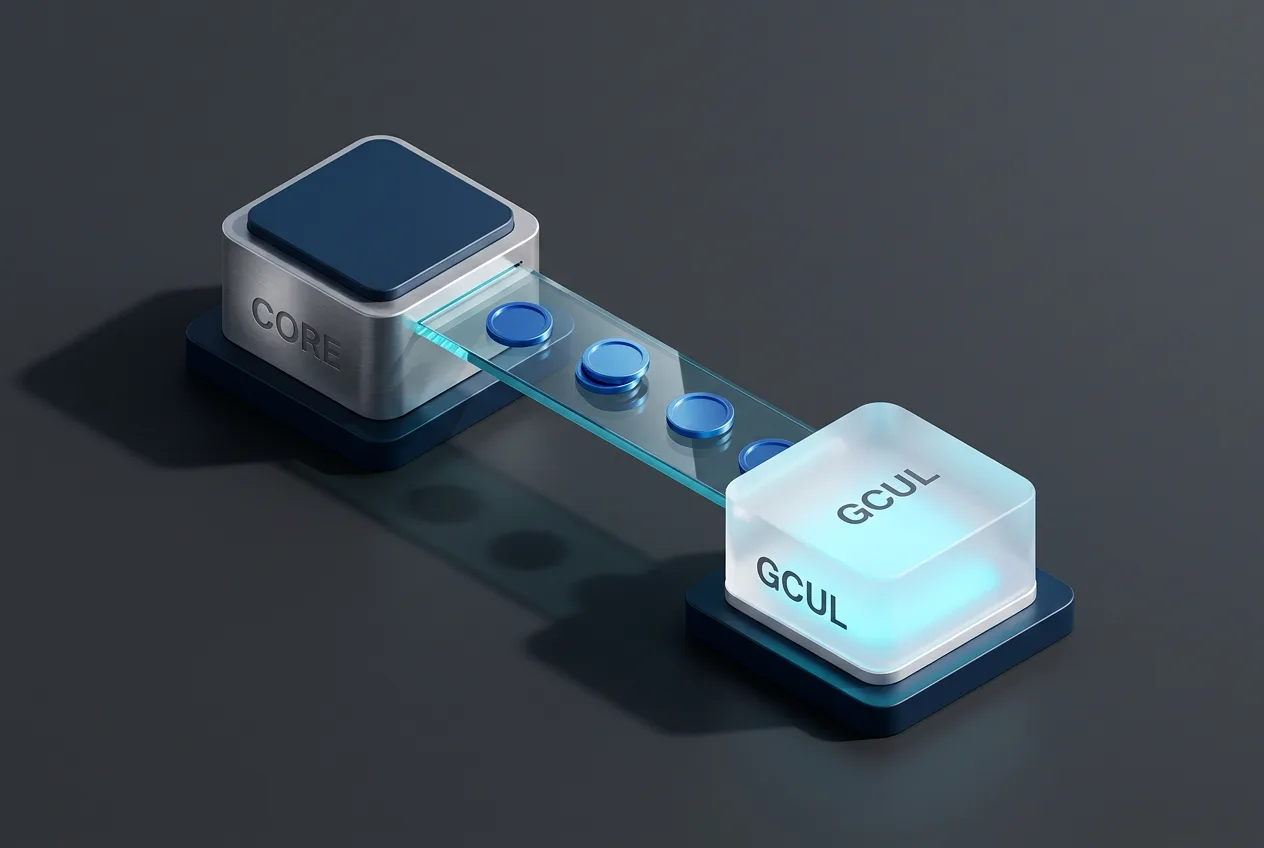
GCUL operates as a fully managed distributed ledger that supports tokenization of deposits and other assets on a shared, real-time record. Tokenized deposits function as digital representations of commercial bank money, with the issuing institution retaining the liability. The system provides programmable settlement available 24/7 and enables automated workflows without requiring pre-funding for clearing and multilateral netting.
Jack Henry plans to embed GCUL access through its existing core banking architecture, aiming to help smaller institutions retain deposits and compete on digital payments. Claimed advantages include near real-time transfers, capital efficiency improvements, and enterprise-grade infrastructure. The integration builds on a 2022 cloud modernization agreement that expanded in June 2026 to include AI-driven security tools.
Google Cloud maintains GCUL in preview status, with access granted by request and test networks limited to select U.S. and European regions. Earlier GCUL activity includes CME Group work on tokenized derivatives margin and BMO’s tokenized cash platform announced in March 2026. Jack Henry serves more than 7,200 banks and credit unions, providing a potential distribution channel once integration reaches production.
Current Limitations, Comparisons, and Next Steps
Development work and potential pilots remain the immediate focus, with no disclosed pricing, timelines, or first-customer details. GCUL’s preview restrictions mean institutions cannot yet access live environments without approval. Official statements from Jack Henry CTO Ben Metz and Google Cloud director James Tromans emphasize accessibility for institutions of all sizes but do not include performance metrics or case studies.
- Deposit retention and growth through new digital features
- 24/7 programmable payments and settlement
- Seamless core integration without new infrastructure
- Automated clearing without pre-funding
Compared with other tokenized deposit efforts, the Jack Henry approach differs in its focus on core banking providers rather than direct bank or exchange participation. BMO’s GCUL implementation targets cash tokenization through a single institution, while CME Group uses the ledger for derivatives margin. Jack Henry’s scale across 7,200 clients could broaden adoption, though competitors such as larger banks with direct Google Cloud relationships may reach production faster.
Limitations include the absence of confirmed production readiness and lack of independent security audits or user performance data. No specific compliance certifications beyond general enterprise infrastructure claims have been released. Institutions evaluating the platform should monitor integration progress through official Jack Henry channels.
Frequently asked questions
When will Jack Henry GCUL integration reach production?
No production timeline has been announced. The partnership was disclosed October 16, 2026, and development plus potential pilots are the current focus as of October 20, 2026.
What is the status of Google Cloud Universal Ledger?
GCUL remains in preview with access by request. Test networks exist in limited U.S. and European regions, and prior activity includes projects with CME Group and BMO.
Which institutions can use the Jack Henry GCUL tokenized deposits feature?
The integration targets community and regional banks plus credit unions that already use Jack Henry core systems. Broader distribution is planned once the connection is complete.
Are there pricing details for Jack Henry GCUL tokenized deposits?
No pricing, fees, or cost structure has been disclosed by either Jack Henry or Google Cloud for the GCUL integration.
Comments 1