n1n.ai Review: Unified LLM API Gateway, Model Access, and Enterprise Pricing
Review summary
n1n.ai operates as an enterprise-focused unified LLM API gateway that aggregates access to over 500 models through a single OpenAI-compatible endpoint.
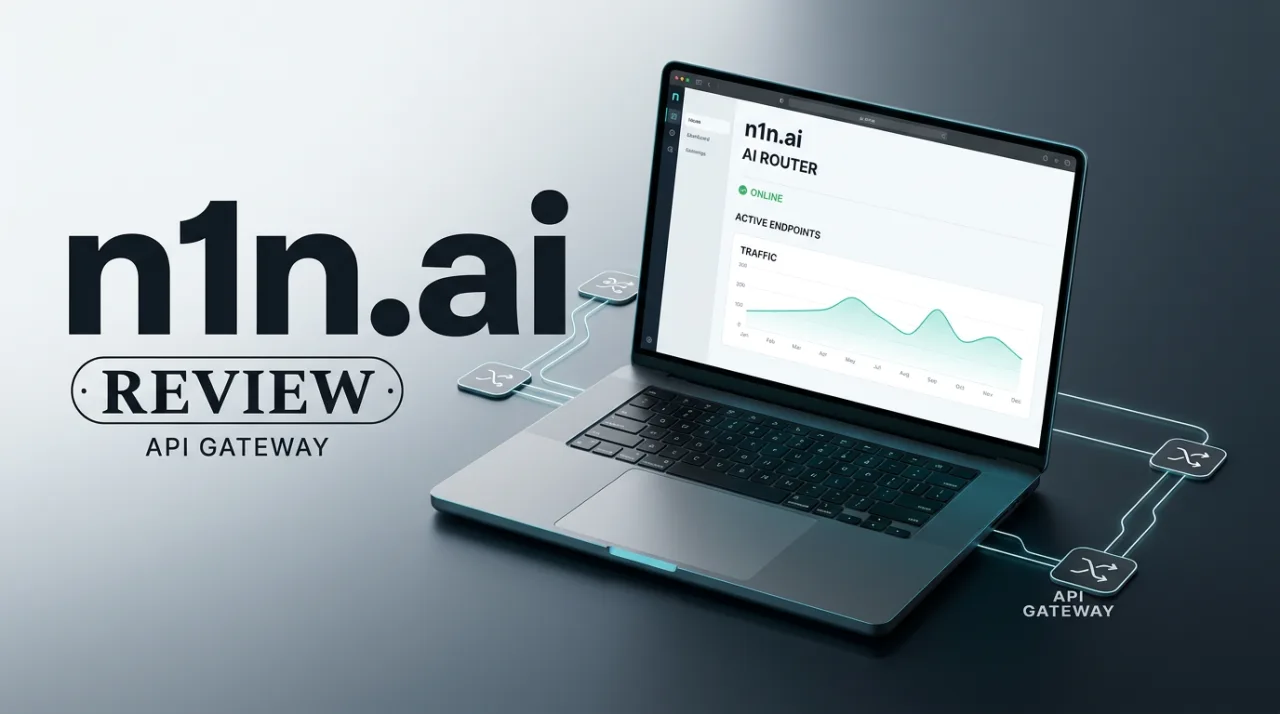
n1n.ai functions as a unified LLM API gateway that routes requests across hundreds of models from multiple providers through standardized OpenAI-compatible endpoints. Launched around 2024 with its v2.0.1 update live as of October 2026, the service targets developers and teams that need consolidated access without maintaining separate keys for each provider. It reports coverage of 500 to 743 models spanning text, image, video, audio, and embeddings.
What n1n.ai Offers Through Its Unified LLM Gateway
The platform supplies a single API key and base URL options such as api.n1n.ai/v1 or regional endpoints on llm-api.net. Requests reach models including GPT-5, Claude 4.5, Gemini 3 Pro, DeepSeek, and Qwen variants without code changes when switching providers. Automatic routing, failover, and load balancing operate across a global edge network of 24 CN2 GIA nodes in seven regions, including direct connections to mainland China.
Granular controls include sub-keys that carry quotas, expiration dates, and model-specific permissions. Usage dashboards consolidate billing across all providers, while balance credits never expire. New accounts receive a reported ¥20 credit, and minimum top-ups start at ¥10 through Alipay, WeChat, Stripe, or USDT. The system positions itself for stability rather than the lowest possible rates, with some models available at 0.95 times official pricing and others discounted further.
Documentation covers quick-start guides, Python, PHP, and Node SDK examples, plus IDE and plugin integration steps at llm-api.apifox.cn. Performance benchmarks from third-party tests show uptime between 99.8 and 99.99 percent and token throughput reaching 90 tokens per second on certain Gemini flash variants.
n1n.ai Pricing, Security Controls, and User Feedback
Pricing follows a pay-as-you-go structure billed in ¥1 credits that equal roughly one USD. Exact per-model rates appear only inside the console, and the service claims discounts up to 90 percent on select offerings while maintaining priority on uptime and latency consistency. Enterprise features center on sub-key management, consolidated invoices, and high-availability routing rather than custom SLAs published in public materials.
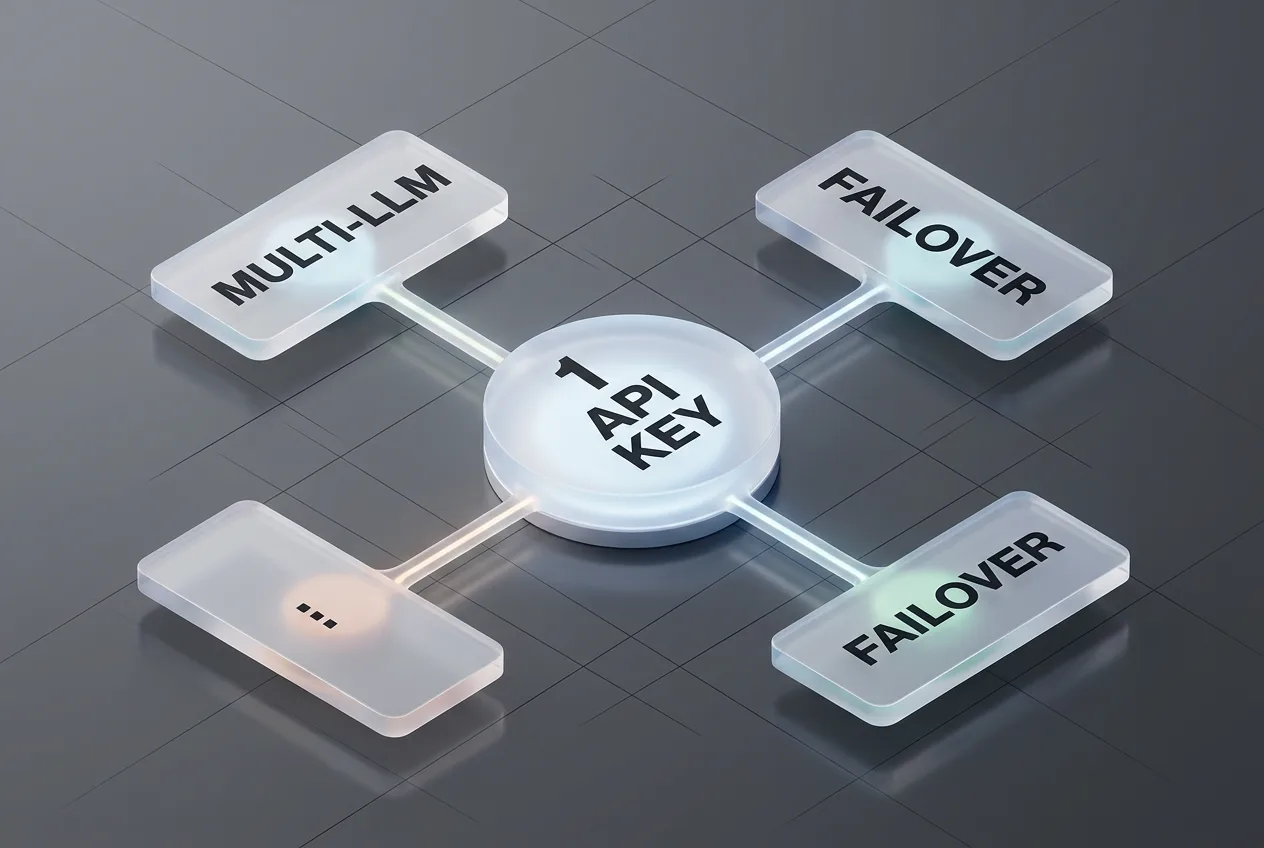
Security elements include SOC2 readiness referenced in third-party testimonials and permission scoping at the sub-key level. No public record of major breaches exists in available sources. Access requires only an account and API key, with regional endpoints reducing the need for additional network configuration in restricted locations.
Third-party reviewers on EggStriker note reliable long-term performance described as “稳” and straightforward SDK integration that mirrors official OpenAI libraries. Some users highlight the free credit as useful for initial testing, while others observe that the platform suits individuals and small teams more than organizations requiring specialized compliance certifications. Public benchmark data remains limited, and exact enterprise contract terms require direct inquiry.
n1n.ai Compared With Direct Providers and Reported Limitations
Direct comparison with single-provider APIs shows n1n.ai reduces key management overhead and offers failover across vendors, though it adds a routing layer. Model count exceeds most individual providers, yet per-token costs vary and may not always undercut official rates after the routing fee. Uptime claims align with or exceed many public proxies, supported by dedicated-line infrastructure rather than shared connections.
| Service | Model Count | API Compatibility | Pricing Model | Primary Strength |
|---|---|---|---|---|
| n1n.ai | 500–743+ | OpenAI-compatible | Pay-as-you-go credits | Failover across providers |
| OpenAI direct | ~10–20 flagship | Native | Per-token | Official support |
| Anthropic direct | ~5–10 | Native | Per-token | Claude specialization |
Limitations include incomplete public disclosure of exact per-model rates and enterprise SLA details outside the console. Model counts fluctuate slightly across sources, and third-party speed tests can become outdated quickly. Some reviewers note that ultra-high-volume compliance needs may still favor direct contracts with primary providers.
Overall, n1n.ai delivers a consolidated access layer that simplifies multi-model workflows while maintaining competitive latency through its edge network. Its pay-as-you-go credits and sub-key controls address common operational pain points for teams managing diverse AI workloads, though organizations should verify current console pricing and test latency against their specific regions before scaling production traffic.
Frequently asked questions
How many models does n1n.ai support?
Sources report between 500 and 743 models covering text, image, video, audio, and embeddings from multiple providers through one endpoint.
What is the pricing structure for n1n.ai?
The service uses pay-as-you-go credits where ¥1 equals roughly one USD, with some models discounted and a minimum top-up of ¥10. Exact rates appear in the console.
Does n1n.ai require changes to existing OpenAI code?
No. The platform maintains OpenAI-compatible endpoints, so applications can switch models by updating the base URL and key without further code modifications.
What regions does the n1n.ai network cover?
It operates 24 CN2 GIA nodes across seven regions, including dedicated lines to mainland China that function without additional VPN setup.
Comments 5