PayMitto Business Review: Embedded International Payments for Banks and Small Businesses
Review summary
PayMitto Business delivers white-label international payment tools to U.S. banks and credit unions, allowing embedded B2B and B2C transfers across 195 countries and 160 currencies.
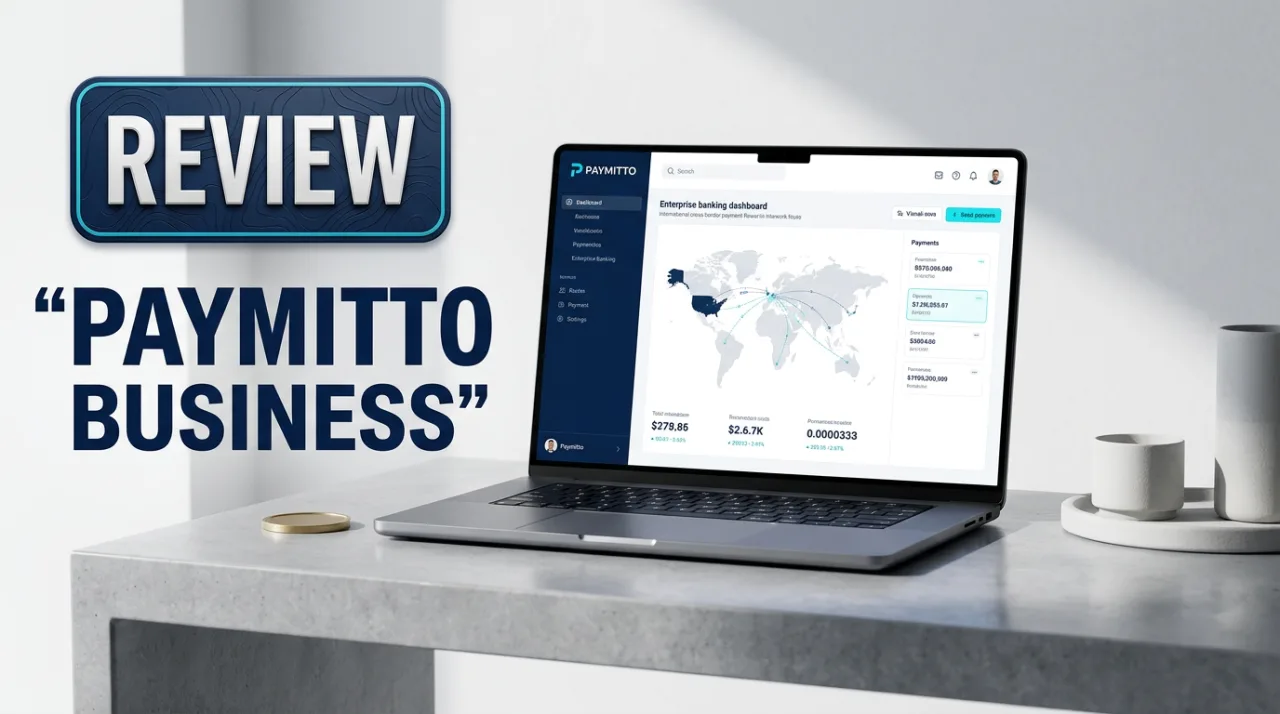
PayMitto Business, launched on October 19, 2026, supplies U.S. financial institutions with white-label technology for embedding international payments inside their own banking apps. The Atlanta-based company, rebranded in June 2026 from Brightwell’s financial-institution division, targets banks and credit unions that want to keep account holders and deposits within their platforms rather than directing users to external services.
PayMitto Business Core Capabilities and Integration Options
The platform supports P2P remittances, B2C disbursements such as refunds, and B2B payments to overseas suppliers. Businesses upload invoices, receive pre-filled recipient details, view fees and exchange rates upfront, set approval workflows, and track transfers end to end. Payouts reach bank accounts, cards, cash pickup locations, mobile wallets, and stablecoins in 195 countries and 160 currencies, covering more than 90 percent of the global population. Many destinations receive funds in near real time, and new integrations can reach production in as little as 90 days.

Institutions receive a fully managed service that includes KYC, BSA/AML screening, sanctions checks through sponsor banks such as The Bancorp Bank or MVB Bank, fraud controls, configurable limits, real-time alerts, and quarterly performance reviews. The offering carries partnerships with Visa, Mastercard, and FIS. PayMitto Business also supplies pre-built connections to major digital banking platforms used by community and regional banks.
Texas First Bank, a $2.4 billion community bank, became an early adopter in September 2026 when it rolled out in-app international transfers powered by PayMitto and Visa Direct. The service builds on 15 years of predecessor volume that processed billions of dollars annually.
PayMitto Pricing Structure, User Feedback, and Market Position
Pricing remains undisclosed to the public. Institutions receive custom proposals that separate implementation and platform fees from per-transaction and foreign-exchange costs. Banks must clarify which markups apply to account holders versus their own program expenses. No public data exists on typical transaction volumes or average FX spreads.
Independent reviews under the PayMitto name are scarce as of October 2026. PaymentPop reports no lawsuits or regulatory actions tied to the current entity. Older complaints linked to the maritime-focused Navigator brand do not apply. Practical considerations raised by analysts include handling of failed transfers and consistent FX transparency for end users. The company lists Inc. 5000 recognition and Top Workplaces awards, along with partner endorsements from Mastercard.
Direct comparisons with other embedded payment providers are limited by the absence of public pricing and performance benchmarks. PayMitto distinguishes itself through white-label embedding that keeps activity inside bank apps, managed compliance, and support for multiple payout rails including stablecoins. Traditional wire services typically require separate logins and lack real-time visibility, while some fintech alternatives operate outside bank-branded environments. Institutions evaluating options should request side-by-side implementation timelines and compliance documentation.
Current limitations include the lack of publicly available pricing, reliance on sponsor banks for regulatory coverage, and the short time the PayMitto Business product has been on the market. No specific data on transfer success rates or average delivery times across corridors has been released. Expansion plans focus on additional B2B use cases and deeper adoption by U.S. financial institutions, though timelines remain unannounced.
Assessment of PayMitto Business Strengths and Weaknesses
PayMitto Business provides U.S. banks and credit unions with a white-label route to offer international payments without building the infrastructure themselves. The combination of broad geographic reach, multiple payout methods, and configurable controls addresses a clear need for keeping business transactions inside existing digital banking interfaces. At the same time, the absence of transparent pricing, limited independent user reviews, and the brief history of the rebranded product leave several practical questions unanswered for prospective partners.
Frequently asked questions
When was PayMitto Business launched?
PayMitto Business was announced on October 19, 2026, as a dedicated solution for small and mid-sized business international payments.
Which countries and currencies does PayMitto support?
The network reaches 195 countries and 160 currencies, representing more than 90 percent of the global population.
Is pricing information available for PayMitto Business?
No public pricing exists. Institutions receive custom proposals covering implementation fees, platform charges, and transaction or FX costs.
How quickly can banks integrate PayMitto Business?
Integrations with leading digital banking platforms can go live in as little as 90 days when using pre-built connectors.
Comments 6