Synteq Review: Firecracker MicroVM Isolation for Apps and Serverless Functions
Review summary
Synteq launched managed apps and serverless functions on October 20, 2026, using Firecracker microVMs on its existing VPS and GPU infrastructure in Dallas and Chicago.
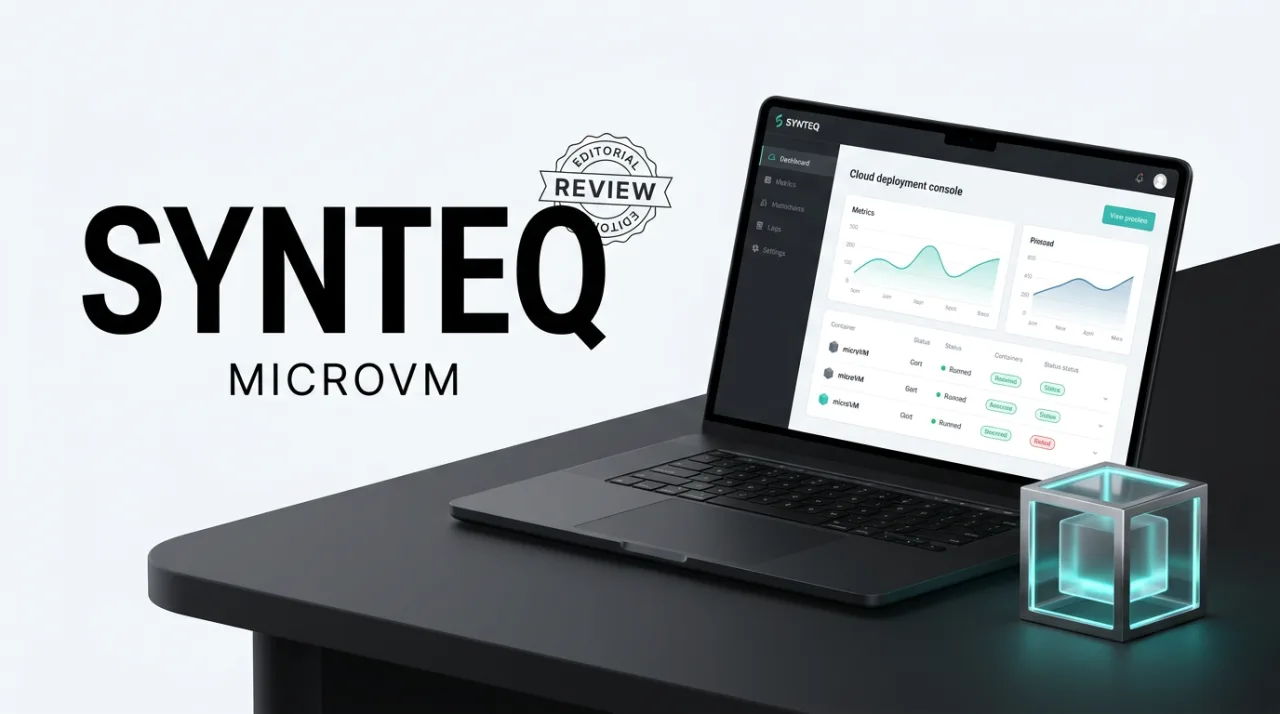
Synteq review examines the company's new managed hosting platform that runs web services, APIs, and on-demand functions in isolated Firecracker microVMs. The products became available on October 20, 2026, on infrastructure already used for Synteq VPS and GPU instances in Dallas and Chicago. Developers can deploy from GitHub, CLI, or container images while the platform handles builds and HTTPS termination.
Synteq Apps and Serverless Functions Overview
Synteq Apps provides managed hosting for web services, APIs, and background workers. Deployments support push-to-deploy from GitHub, direct uploads, the synteq CLI command, or existing container images. The platform detects the language and stack automatically or accepts a Dockerfile, then builds with Railpack or BuildKit before serving traffic on a synteq.app subdomain or custom domain with automatic TLS.
Each application replica operates inside its own Firecracker microVM that includes a dedicated kernel, CPU allocation, memory, and network stack. Rolling updates use health checks on a port or custom path with a 60-second readiness gate, and one-command rollbacks are available without rebuilding. Autoscaling respects a monthly spend limit and targets CPU or memory utilization; extra replicas incur additional charges. Live logs, per-replica metrics, environment variables, and secrets are visible in the Synteq Cloud console.
Synteq Serverless Functions run Node.js or Python handlers triggered by HTTP requests or cron schedules. Every invocation spins up a fresh Firecracker microVM. Deployment options include a web editor, CLI, or GitHub integration. Both apps and functions share the same hardware and network (AS400304) as Synteq's VPS and block storage products, which the company states enables low-latency integration.
Synteq Pricing Tiers and Deployment Experience
Apps follow flat monthly pricing per instance shape. The free tier requires a card or PayPal and carries usage limits. Paid tiers include Small at roughly $5 per month for 0.5 vCPU and 1 GB RAM, Medium at roughly $9 for 1 vCPU and 2 GB, and Production at roughly $20 for 2 dedicated vCPU and 3 GB. Bandwidth allowances such as 250 GB outbound are included; additional replicas and overages are billed separately. Autoscaling and multi-region features require paid plans and may carry extra monthly fees. Functions use either invocation-based or compute-metered billing with budget controls and credits.
Registration uses the existing Synteq Cloud account and billing system. The CLI and GitHub flows are straightforward for users already familiar with container or PaaS workflows. The console provides replica-level metrics and logs without additional configuration. Technical requirements are minimal: any machine that can run the CLI or push to GitHub can deploy. A 99.99 percent uptime SLA applies to the platform.
Early user posts on X note that the GitHub and CLI experience suits solo developers and small teams. One performance example cited a smallest paid instance sustaining thousands of requests per second at low latency. No widespread complaints about billing or outages have appeared in public sources as of late October 2026.
Security Model, Comparisons, and Limitations
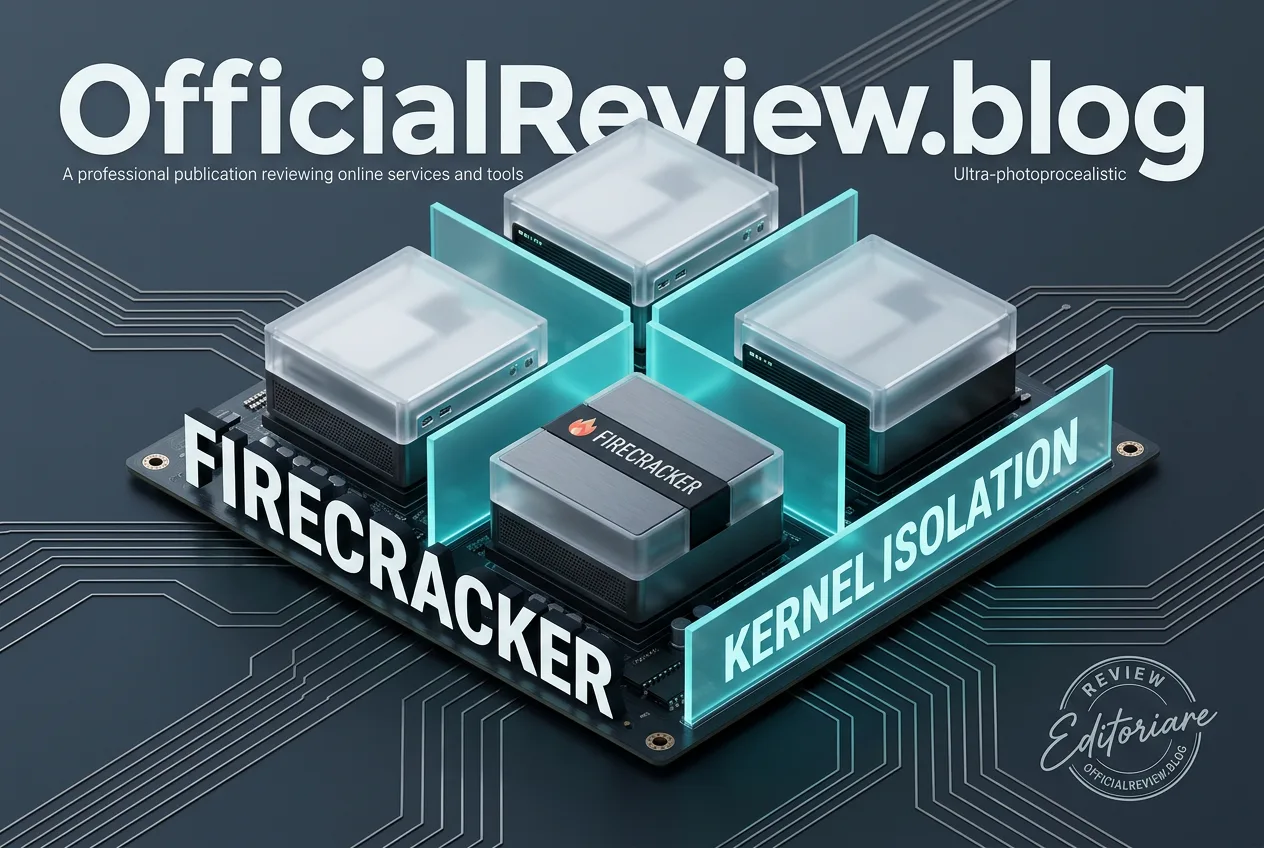
Firecracker microVMs supply kernel-level isolation with separate process tables and filesystems between tenants. The platform runs on Synteq's own network, which the company positions as an advantage over shared-kernel container platforms. No independent security audits or incident reports specific to the new products have been published yet. Data residency options remain limited to the two announced U.S. regions.
Compared with Railway and Render, Synteq offers stronger per-instance isolation through dedicated microVM kernels while maintaining similar Git-based deployment. Railway's free tier does not require payment details, whereas Synteq's does. Render provides more mature load-balancer and preview-environment features; Synteq lists these items on its roadmap without release dates. Pricing for comparable shapes sits between Railway's hobby tier and Render's standard instances.
Current limitations include the small number of regions, absence of private networking or load balancers, and reliance on a single provider's control plane. Overage handling varies by plan and may result in throttling rather than automatic scaling in some cases. Functions support only Node.js and Python runtimes at launch. Users should monitor the roadmap announcements for VPC and additional location support before committing production workloads that require private networking.
Frequently asked questions
What isolation technology does Synteq use for apps and functions?
Every replica and function invocation runs in its own Firecracker microVM with a dedicated kernel, CPU, memory, and network stack. This setup prevents shared-kernel access between tenants on the same hardware.
How much does Synteq Apps cost on paid plans?
Current tiers list Small at approximately $5 monthly for 0.5 vCPU and 1 GB, Medium at $9 for 1 vCPU and 2 GB, and Production at $20 for 2 vCPU and 3 GB. Bandwidth and replica counts are included up to plan limits.
Which programming languages are supported for Synteq Serverless Functions?
Only Node.js and Python runtimes are available at launch. HTTP and cron triggers are supported; deployment works through the web editor, CLI, or GitHub.
Does Synteq offer a free tier for apps?
A free tier exists but requires a payment method during signup and includes usage restrictions. The first app often begins on this tier before users upgrade for additional replicas or autoscaling.
Comments
No comments yet. Be the first!