Synteq Cloud Review: Serverless Functions, Apps Hosting, and Developer Workflow
Review summary
Synteq Cloud Platform provides managed hosting for apps and serverless functions through Firecracker microVMs, unified billing, and GitHub-based deployments in Dallas and Chicago.
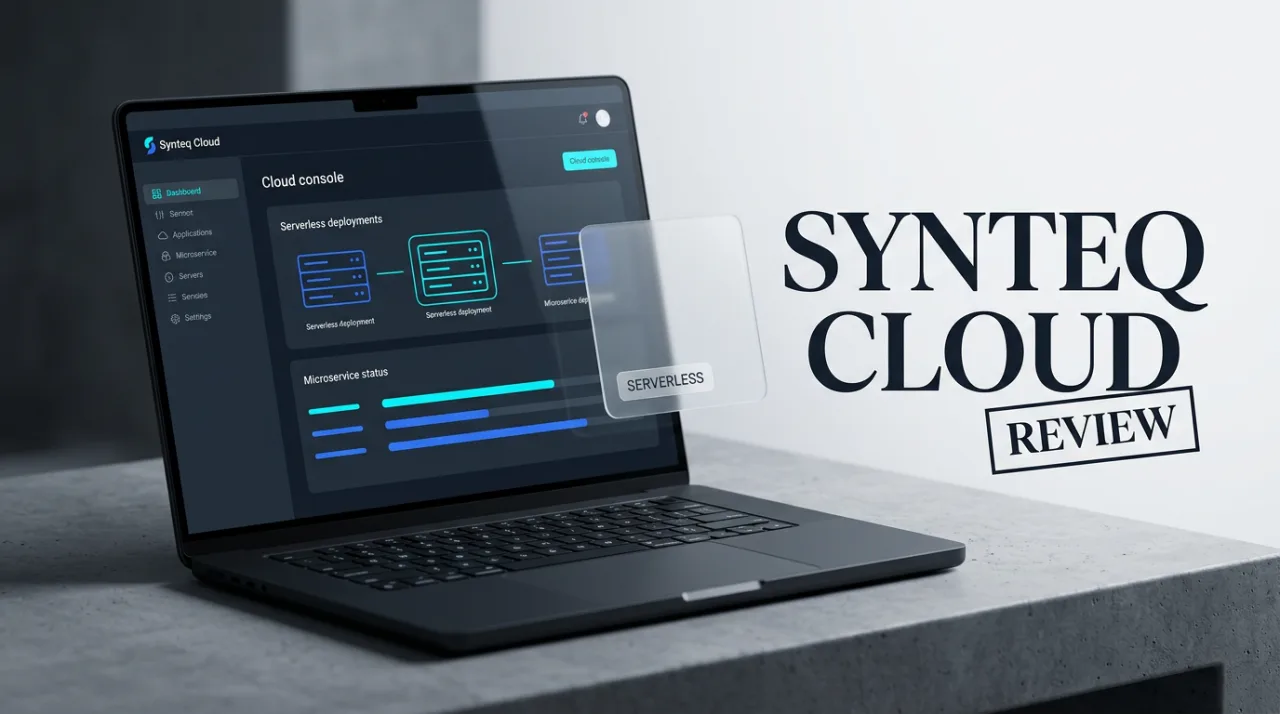
Synteq Cloud Platform launched its core infrastructure control plane on July 31, 2026, and added managed apps hosting plus serverless functions on October 20, 2026. The service runs in Dallas and Chicago data centers and targets developers who need isolated execution environments without managing servers. It integrates GPU, bare metal, VPS, and block storage resources under a single console, API, and CLI.
Overview and Key Features of Synteq Cloud
Synteq Cloud consolidates provisioning, networking with ASNs and BGP, scoped API keys, team management, and billing into one interface. The October expansion introduced Synteq Apps for web services, APIs, and workers, plus serverless functions for Node.js and Python handlers. Apps support deployment from GitHub on push, direct uploads, or the command synteq deploy. The platform detects the language or accepts a Dockerfile, builds the image, and serves it over HTTPS on a Synteq subdomain or custom domain.
Each app instance runs inside a dedicated Firecracker microVM with its own kernel, CPU, memory, and network stack. Features include readiness checks, zero-downtime rolling updates, one-command rollbacks, live logs, per-replica metrics, and budget-bound autoscaling that respects a user-defined monthly spending limit. Serverless functions trigger on HTTP requests or cron schedules and also execute in isolated microVMs. The same hardware and network support both the new developer tools and existing Synteq VPS and GPU offerings.
The platform carries a 99.99 percent uptime SLA. Management occurs through the unified console, API, or CLI, allowing developers to handle apps, functions, storage, and compute in one place. Planned additions include VPCs, load balancers, and private connectivity between apps and existing resources.
Pricing, Ease of Use, Security, and Comparisons
Public pricing for Synteq Apps and serverless functions appears inside the console and reflects CPU, memory, replica count, and bandwidth. A free tier exists with an upgrade path. Autoscaling carries an optional monthly fee when enabled. General infrastructure billing emphasizes capacity-based charges rather than per-request fees, and launch promotions included platform credits such as $20 for social engagement. Specific rates for compute units or storage are shown at runtime rather than in static tables.
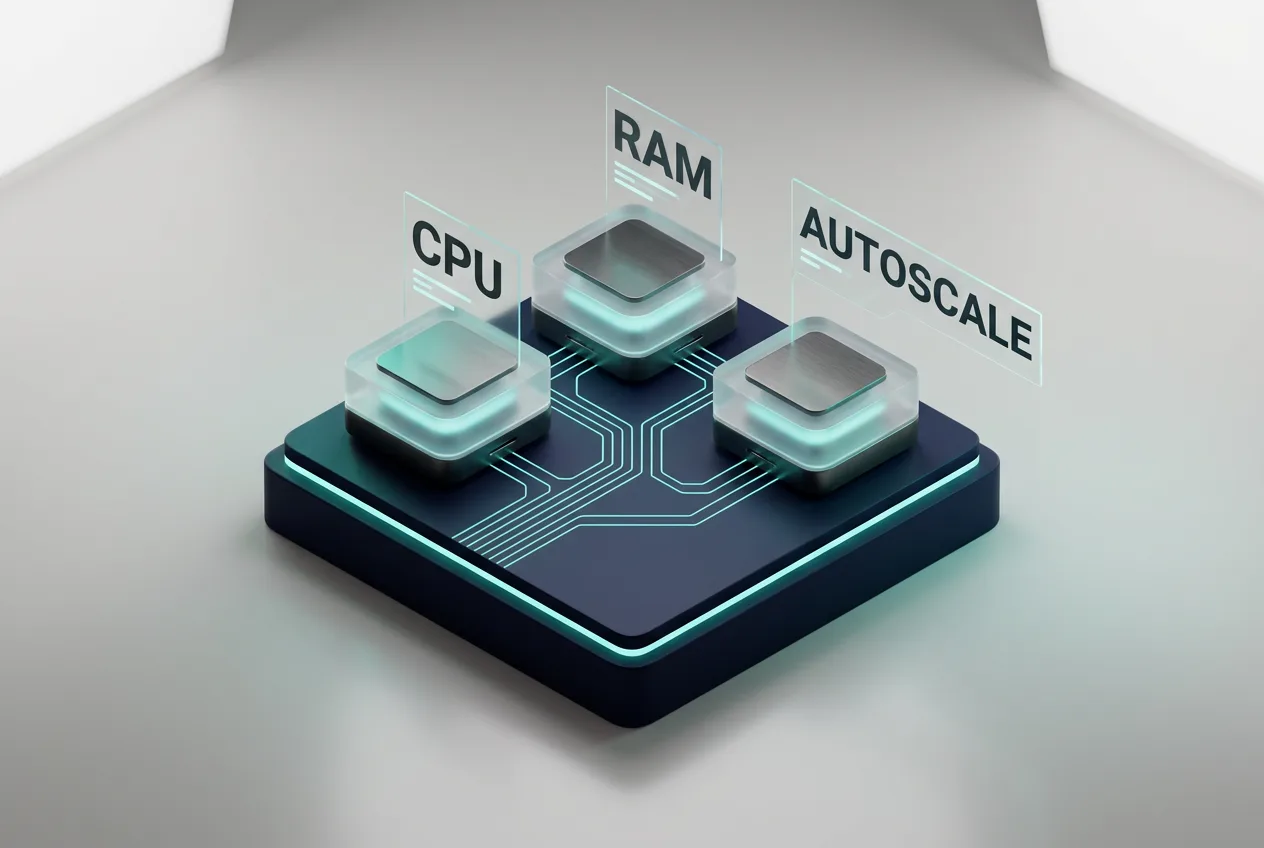
Registration and deployment follow standard developer workflows. Users connect a GitHub repository, set environment secrets, and configure custom domains with automatic HTTPS. The CLI and web editor support direct function uploads. Technical requirements remain modest because the platform handles builds, certificates, and scaling. The interface displays request data, metrics, and logs without additional tooling.
Security relies on per-app and per-invocation Firecracker microVMs that provide full tenant isolation and separate kernels. The service operates on Synteq’s own network (AS400304) with distributed block storage that includes replication and automated recovery. No independent security audits or incident reports appear in public materials as of the October launch date.
| Aspect | Synteq Apps | Typical Serverless Platforms |
|---|---|---|
| Isolation | Firecracker microVM per app or invocation | Container or lightweight VM |
| Deployment | GitHub, CLI, upload, Dockerfile support | Git integration or zip upload |
| Scaling | Budget-bound autoscaling | Automatic or concurrency-based |
| Billing model | Capacity plus optional autoscaling fee | Per-request or per-second |
Early user mentions on social platforms note simplified GitHub and CLI workflows that reduce DevOps overhead for solo developers and small teams. Queries about React support and custom domains received confirmation that both are available. No large-scale independent reviews exist yet because the developer platform is less than one week old at the time of writing.
Limitations and Final Verdict on Synteq Cloud
Public documentation does not yet list exact per-unit pricing for CPU, memory, or bandwidth in the apps tier. The service remains limited to two U.S. locations, and planned features such as VPCs and load balancers are still in development. Autoscaling requires an extra fee, and the free tier limits are not published outside the console. Broader user feedback will emerge only after several months of operation.
Synteq Cloud integrates serverless functions and managed apps hosting into an existing infrastructure platform that already offers GPUs and bare metal. The Firecracker microVM approach delivers strong isolation, while GitHub-driven deployments and unified billing address common pain points for technical users. Pricing transparency and geographic reach will determine long-term adoption once more data becomes available.
Frequently asked questions
When did Synteq launch its apps and serverless functions?
The developer platform expansion for Synteq Apps and serverless functions launched on October 20, 2026, in Dallas and Chicago data centers.
What isolation technology does Synteq use for apps and functions?
Each app and function invocation runs inside its own Firecracker microVM with a dedicated kernel and network stack.
Does Synteq Cloud offer a free tier for apps?
A free tier exists with an upgrade path; exact resource limits appear inside the console rather than in public documentation.
How do users deploy code to Synteq Apps?
Deployment supports GitHub on push, direct file upload, or the single CLI command synteq deploy, with optional Dockerfile specification.
Comments
No comments yet. Be the first!