Versos AI review: Video Library Intelligence Platform Features and AWS Integration
Review summary
Versos AI turns unstructured video archives into structured, provenance-tracked datasets for AI training through direct S3 connections and granular indexing without moving content.
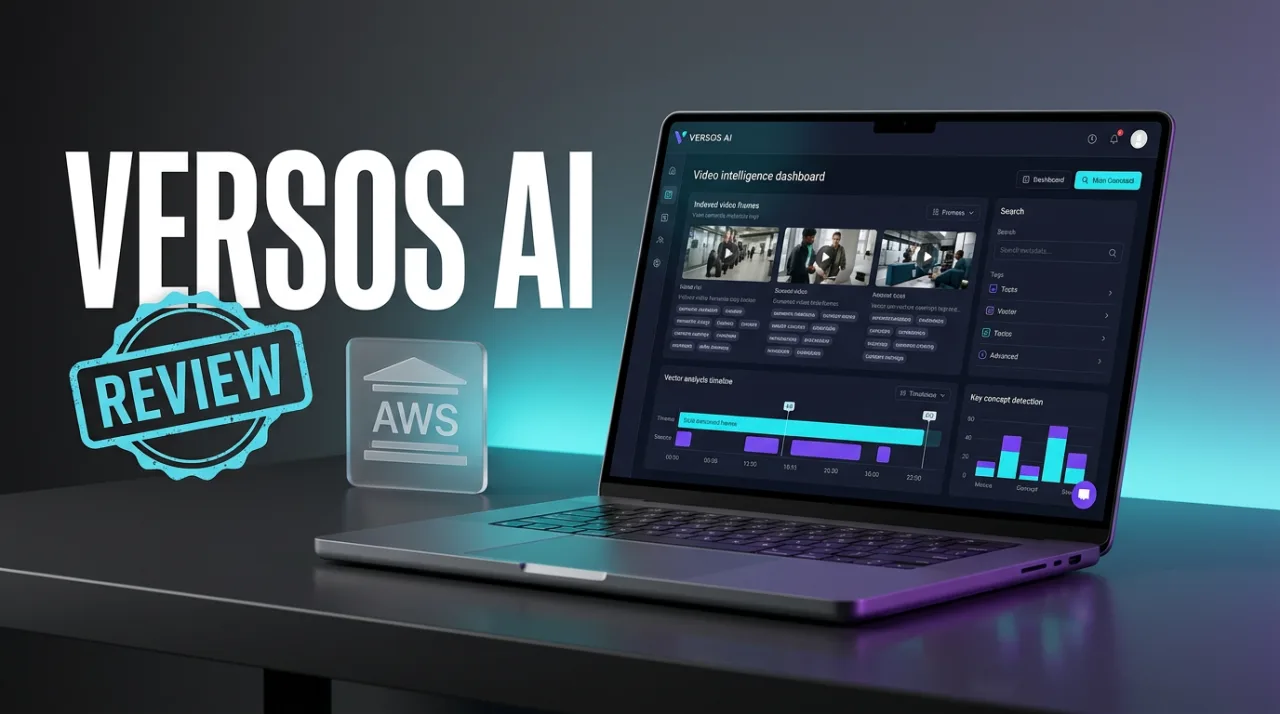
Versos AI operates as a two-sided marketplace that indexes existing video libraries and prepares them as AI-ready training data. Rights holders retain storage control while buyers receive filtered, compliant datasets with full chain-of-custody records. The platform listed on AWS Marketplace in October 2026, enabling direct connections to Amazon S3 buckets.
Versos AI review: Platform Background and AWS Marketplace Integration
Founded in Saint John, New Brunswick around 2022, Versos AI partners with more than twenty studios and content owners across seven countries. These partners represent over one million hours of professional video. A multi-year agreement with CuriosityStream includes both licensing and investment components. The service focuses on premium video suitable for multimodal model training rather than user-generated content.
Deployment on AWS Marketplace allows customers to run the SaaS offering against their own S3 buckets. Metadata, embeddings, and provenance logs generate in place. Private offers and AWS consumption commitments are supported. No data relocation occurs, which reduces transfer costs and keeps original files under owner control.
Workflow steps remain straightforward: connect storage, run indexing, apply filters, and deliver assembled datasets to buyer pipelines. Rights-aware controls stay active throughout the process. Revenue tracking for licensors appears in the same interface.
AI Training Data Features and Operational Limits
Indexing occurs at both file and frame or scene level. Generated metadata includes content categories, technical specifications such as resolution and aspect ratio, language detection, transcripts, vector embeddings, and deduplication signals. Buyers can request datasets matching specific actions, environments, or production statuses through natural-language queries handled by NVIDIA NeMo agents.
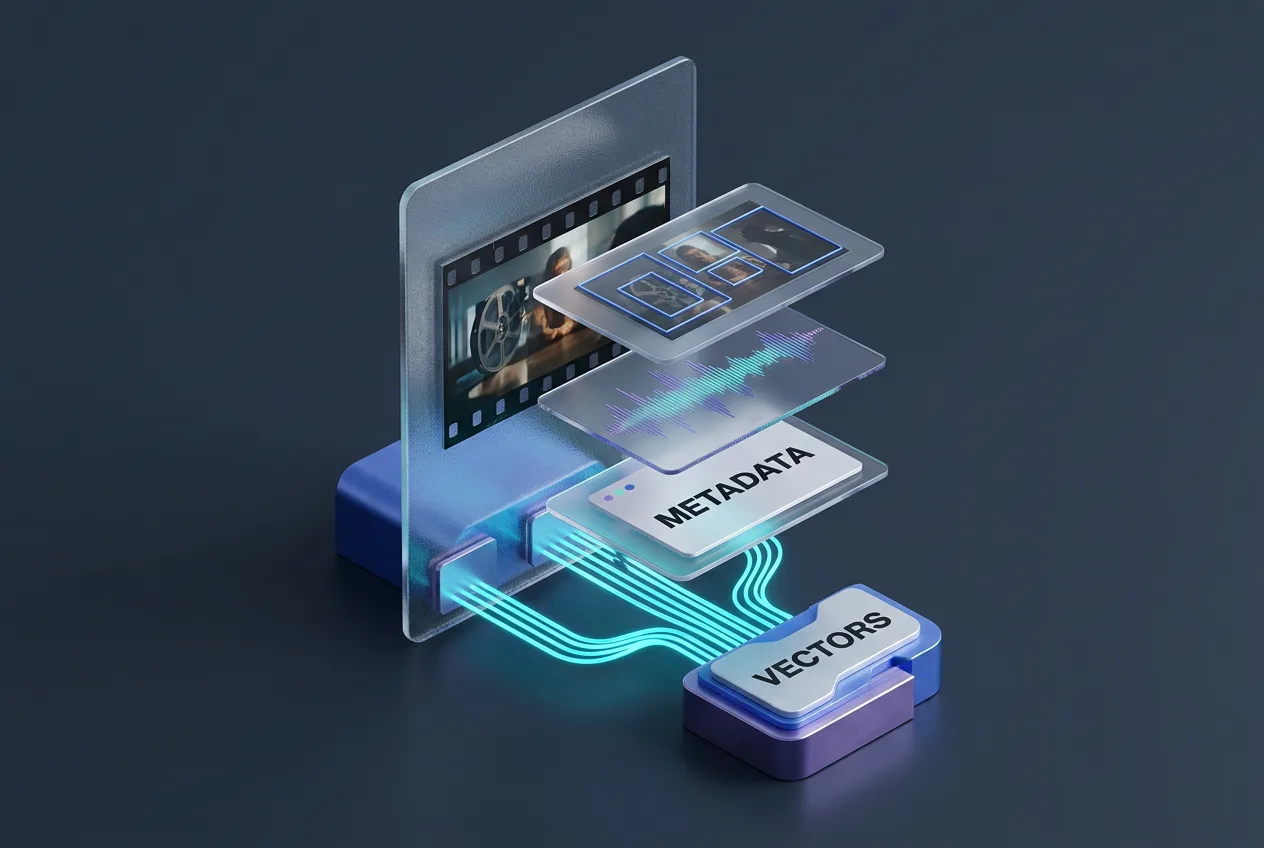
Provenance tracking records every licensing step and supports legal defensibility claims. Content never leaves the rights holder’s storage. Standard licensing rates cited reach one dollar per minute, with higher figures possible for specialized clips. Buyers avoid scraping risks by obtaining verified sources.
- Granular scene-level filtering and assembly
- Agent-assisted curation without manual labeling
- Direct S3 integration and private offers
- Chain-of-custody documentation for compliance
Limitations include quote-based pricing that requires direct negotiation and a current focus on professional video only. Smaller archives may find minimum contract units uneconomical. No public benchmarks exist yet for indexing speed across petabyte-scale libraries.
Versos AI Pricing, User Feedback, and Competitor Comparison
Pricing follows custom contracts measured in access units, with examples referencing figures near 0.01 USD per unit and multi-year discounts available. Free tier or self-serve options are not offered. Hidden costs may arise from agent usage or extended provenance queries, though none are documented in public materials.
| Platform | Video Focus | Storage Integration | Pricing Model |
|---|---|---|---|
| Versos AI | Professional archives | Direct S3, no migration | Quote-based units |
| Scale AI | General media | Requires upload | Per-task credits |
| Appen | Mixed sources | Upload or API | Project-based |
Public user feedback remains limited because the AWS Marketplace listing launched only days before October 21, 2026. Early mentions on industry sites note interest in provenance features but question the narrow focus on high-end video. No widespread complaints appear in available sources. Rights holders report recurring revenue potential from dormant archives, while buyers highlight reduced legal exposure compared with scraped datasets.
Compared with general data platforms, Versos AI provides deeper scene-level metadata and native AWS connectivity without data movement. Its two-sided licensing model differs from pure annotation services that do not handle rights clearance. Scale and Appen require content upload and lack built-in provenance tracking for video libraries.
Frequently asked questions
How does Versos AI connect to existing video storage?
The platform links directly to customer Amazon S3 buckets through its AWS Marketplace deployment. No content migration is required. Indexing and metadata generation occur in place while files remain in the owner’s storage.
What metadata does Versos AI generate for each video?
It produces file-level and scene-level tags covering technical specs, language, transcripts, embeddings, content categories, and chain-of-custody records. Deduplication signals are also included to help buyers avoid redundant clips.
Is Versos AI pricing available without contacting sales?
No public self-serve rates exist. All access uses quote-based contracts measured in units, with examples near 0.01 USD per unit and discounts for multi-year terms. Private offers through AWS are supported.
Does Versos AI handle rights clearance for buyers?
Yes. The marketplace connects verified rights holders with buyers and maintains provenance documentation for every licensed clip. This chain-of-custody record supports compliance checks.
Comments 4