Zerohash AUTH Review: Wallet Transfer Features and Regulatory Status
Review summary
Zerohash AUTH provides onchain account linking for crypto transfers between exchanges and wallets without manual addresses. Launched in October 2026.
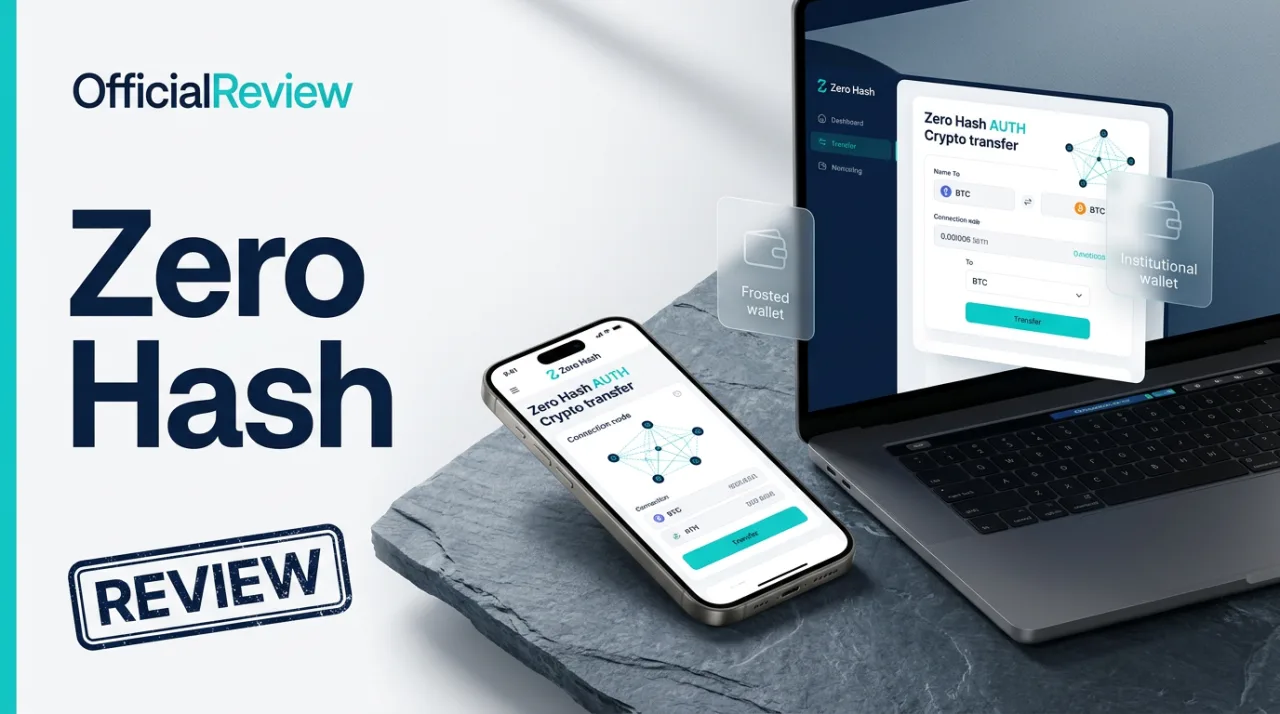
Zerohash AUTH is a B2B onchain authentication and account-linking service that lets users move crypto, stablecoins, and tokenized assets between linked custodial accounts and self-custodial wallets. It launched on October 19, 2026, at Money20/20 in Las Vegas. The service removes manual wallet address entry and network selection through background chain abstraction.
Platforms integrate the service via SDK so end users select a linked account, complete credential and MFA authentication, review the transfer, and approve. Assets then move onchain. Availability of specific assets, connections, and transfer directions is set by each integrating platform.
Zerohash AUTH Features and Supported Connections
Zerohash AUTH supports deposits and withdrawals. It handles 639 wallets plus four exchange and brokerage accounts that together reach roughly 250 million users across 190 countries. Live integrations include Coinbase Exchange, Coinbase Wallet, Robinhood, and Gemini. Kraken operates in beta. Additional examples listed in developer documentation include MetaMask and Phantom, though actual options depend on the host application.
Transfers cover crypto, stablecoins, and tokenized securities such as stock tokens. They execute onchain and are described as near-instant once approved. Each platform defines its own limits, including minimum and maximum amounts, daily caps, and compliance controls such as name matching. The service is positioned for banks, brokerages, and fintechs rather than direct consumer use.
Developers access integration through an SDK. Platforms contact Zerohash directly to configure connections and asset availability. The product builds on earlier beta account-funding features and aims to reduce errors from address entry for broader adoption.
Regulatory Status, Pricing, and Limitations
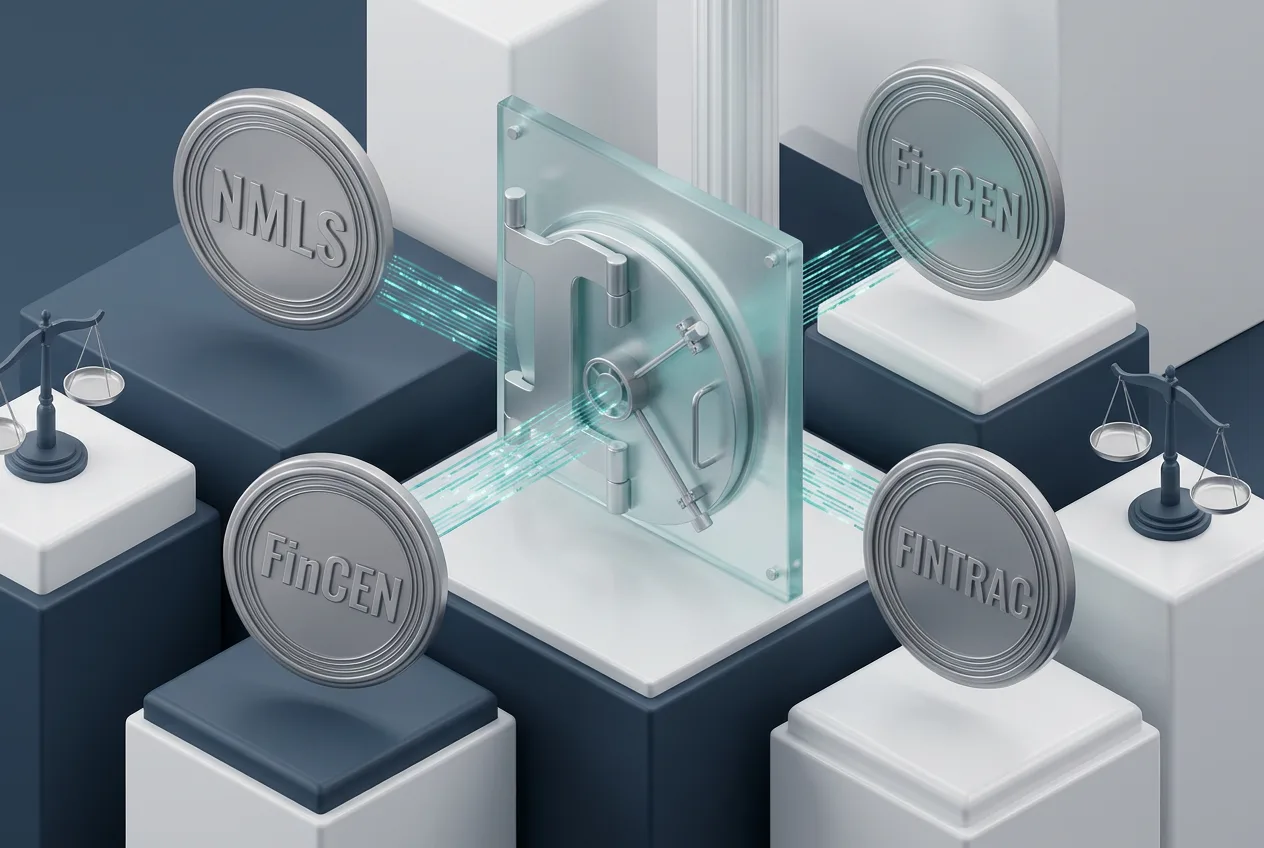
Zerohash holds U.S. money transmitter licenses in most jurisdictions through NMLS, FinCEN MSB registrations, North Carolina non-depository trust company approval, Canada FINTRAC registration, Bermuda DABA Class F license, and EU MiCA/CASP registrations in the Netherlands. A national trust bank charter application remains pending with the OCC as of late October 2026 after a narrower refile in August. The service is not registered with the SEC or FINRA, and accounts do not carry FDIC or SIPC protection. Restricted jurisdictions apply and are subject to updates.
No standalone public pricing exists for Zerohash AUTH. Network gas fees can be absorbed by the platform or deducted from the transfer. Broader Zerohash services apply spreads or platform-set commissions, but specific transaction fees for AUTH transfers are not detailed in launch materials. End-user costs are determined by the integrating platform.
Common limitations include dependence on partner integrations for actual connections and the absence of direct consumer access. No major security incidents or disputes have appeared in coverage through October 2026. The service remains in early adoption stages as more platforms complete onboarding.
Frequently asked questions
What exchanges does Zerohash AUTH support?
Live connections include Coinbase Exchange, Coinbase Wallet, Robinhood, and Gemini. Kraken is in beta. Additional wallets such as MetaMask and Phantom appear in documentation, but availability depends on the integrating platform.
How are transfers completed in Zerohash AUTH?
Users select a linked account, authenticate with credentials and MFA, review details, and approve. The transfer executes onchain without manual address entry or network selection.
Does Zerohash AUTH have public pricing?
No standalone pricing is published. Platforms may absorb or pass on network fees. Broader Zerohash services use spreads or commissions set by the integrator.
What licenses does Zerohash hold?
Zerohash maintains U.S. money transmitter licenses, FinCEN MSB registrations, a North Carolina trust company approval, Canada FINTRAC, Bermuda DABA, and EU MiCA registrations. An OCC trust bank charter application is pending.
Comments 1