Hostinger Review: LiteSpeed Servers, hPanel Updates and Renewal Pricing Explained
Review summary
Hostinger delivers low introductory rates and strong cached speeds on LiteSpeed servers, but renewal costs rise sharply and support remains chat-only.
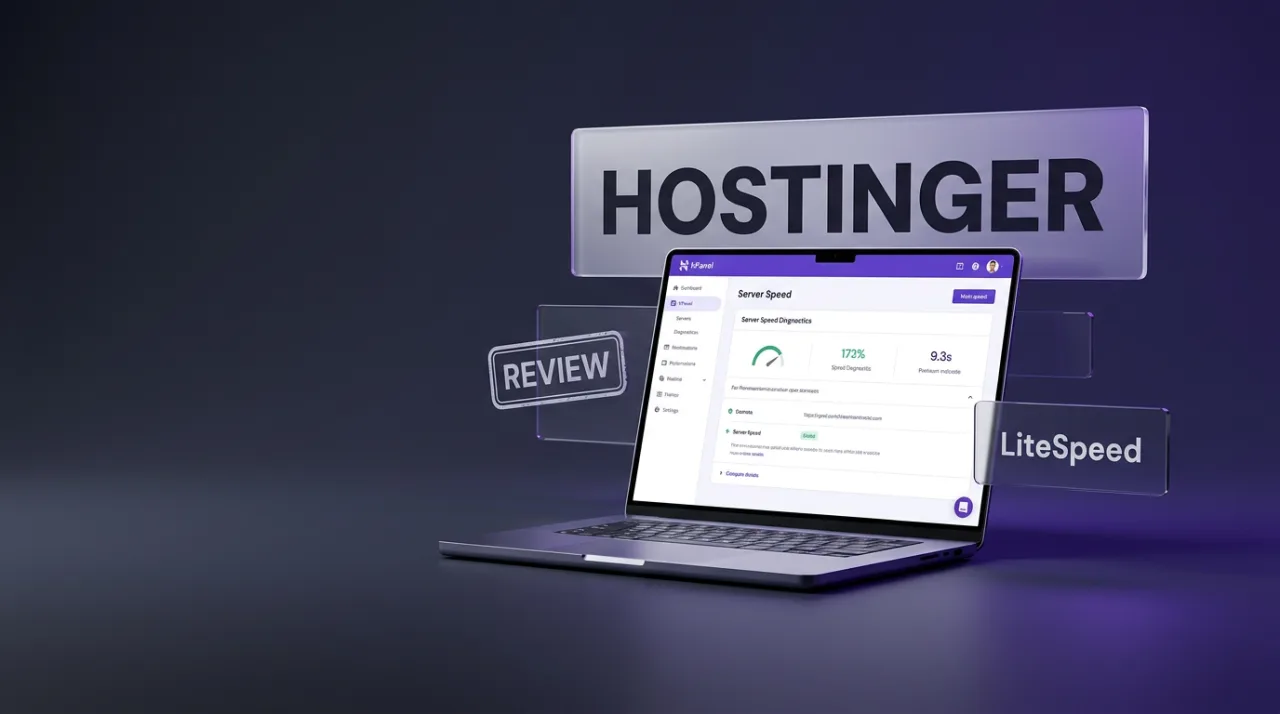
Hostinger operates as a Lithuania-based provider founded in 2004 that supplies shared, WordPress, cloud, and VPS hosting to millions of users. Introductory prices start below three dollars per month on long terms, yet renewal rates increase three to five times. Independent monitoring places typical uptime between 99.9 and 99.98 percent, while cached page loads on LiteSpeed often reach sub-100 ms TTFB under optimized conditions.
Hostinger Review: LiteSpeed Servers and 2026 hPanel Updates
All shared and WordPress plans run on LiteSpeed Web Server with NVMe storage on higher tiers. The pre-installed LSCache plugin, free CDN, and free SSL certificate ship with every account. Real-world time-to-first-byte measurements usually fall between 350 and 450 ms, though further optimization can push results lower. Uptime guarantees sit at 99.9 percent, and daily or weekly backups are included depending on the plan tier.
The custom hPanel received multiple interface refreshes during 2026. Sidebar navigation now groups sections logically, resource usage graphs appear for PHP and HTML sites, and the Business dashboard underwent redesign. AI tools expanded to include Hostinger Agent and Kodee for automated support tasks plus AI Builder for site and application creation. Self-service site migrations, bulk domain transfers, and Node.js improvements also arrived in the same update cycle.
These server and panel changes improve everyday management for small sites and WordPress projects. The combination of LiteSpeed caching and integrated CDN reduces reliance on third-party performance plugins. Users with simple to moderate traffic see consistent results without additional configuration.
Hostinger Web Hosting Pricing and Renewal Costs
Current U.S. pricing requires full upfront payment. The Premium plan lists at roughly 2.49 to 2.99 dollars per month on a 48-month term and renews near 10.99 dollars monthly. The Unlimited plan starts at 3.49 to 3.99 dollars and renews at approximately 16.99 dollars. Cloud Startup begins at 7.99 dollars and renews near 25.99 dollars. A free domain for one year and one year of email accounts accompany qualifying plans, and a 30-day money-back guarantee applies.
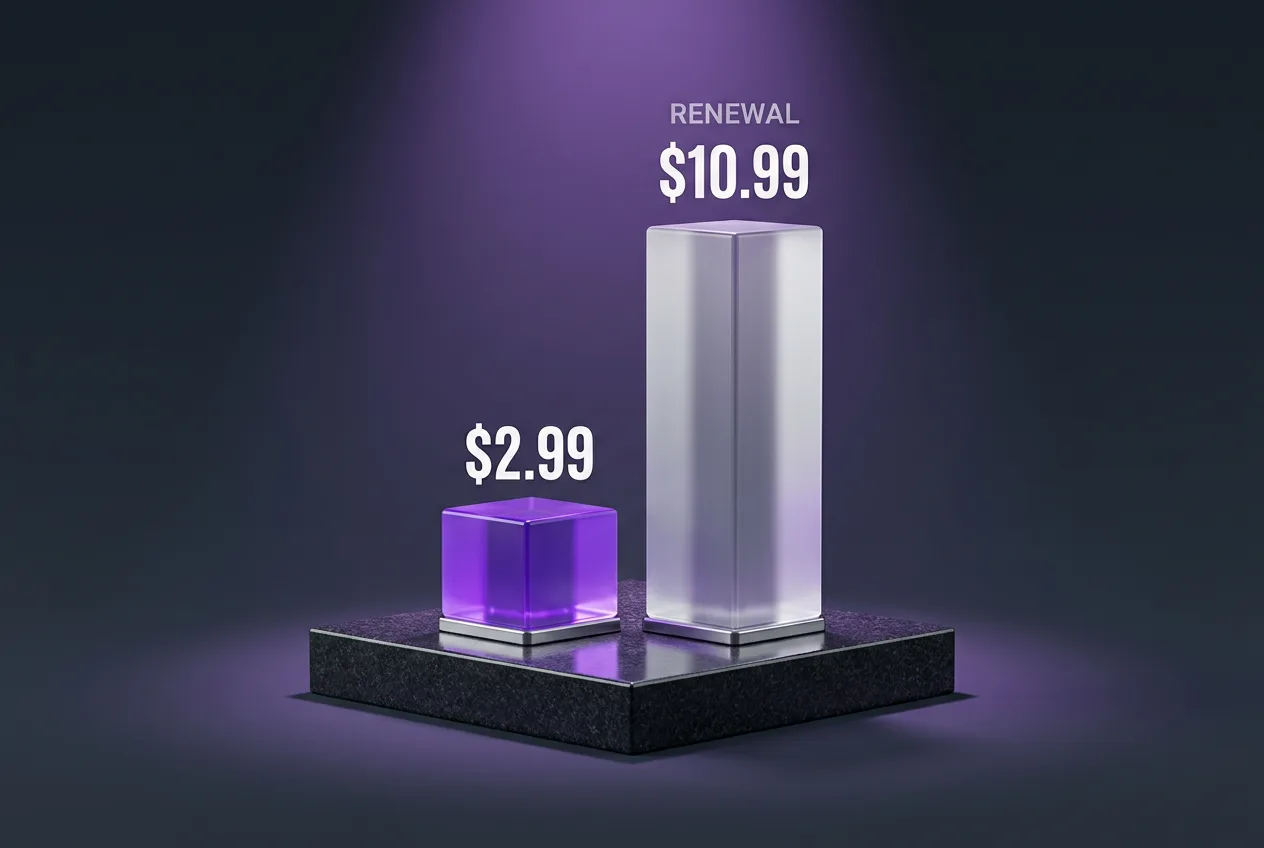
Price jumps at renewal remain the most frequent point of friction. Customers who commit to four years receive the lowest entry rates but face the largest percentage increases when the term ends. Monthly billing is available yet removes most discounts. Regional pricing and seasonal promotions such as Black Friday events can alter the initial figure.
| Plan | Intro Rate (48 mo) | Renewal Rate | Storage |
|---|---|---|---|
| Premium | $2.49–$2.99/mo | $10.99/mo | 25 GB |
| Unlimited | $3.49–$3.99/mo | $16.99/mo | Unlimited |
| Cloud Startup | $7.99/mo | $25.99/mo | 200 GB |
Hostinger Pros and Cons, Comparisons, and Limitations
Strengths include competitive entry pricing, LiteSpeed speed features, straightforward hPanel navigation, and high Trustpilot scores around 4.6 to 4.7 from more than 70,000 reviews. Automatic migrations, free SSL, and expanding AI utilities add practical value for beginners. The provider maintains its own infrastructure and holds ISO 27001 certification elements referenced in independent audits.
Drawbacks center on steep renewal increases, long-term lock-in for best rates, absence of phone support, and resource caps on entry plans. Chat and AI-first support produce variable response quality. High-traffic or resource-intensive projects quickly exceed limits on lower tiers.
Compared with Bluehost, Hostinger offers lower starting prices and faster cached performance yet similar renewal patterns. SiteGround provides stronger support and more consistent renewal pricing at a higher initial cost. Namecheap matches the budget focus but trails in LiteSpeed features and AI tooling. Hostinger therefore suits users who accept renewal monitoring and plan upgrades before term end.
Resource limits on shared plans, occasional support delays, and reliance on long commitments constitute the primary constraints. No phone channel exists, and performance guarantees do not extend to uncached dynamic content. Customers should track renewal dates and prepare migration options if usage grows.
Frequently asked questions
Is Hostinger legit?
Hostinger is a Lithuania-based company founded in 2004 that owns its infrastructure and serves millions of customers. It maintains 99.9 percent uptime guarantees and holds elements of ISO 27001 certification referenced in reviews.
How much does Hostinger cost after renewal?
Premium renews near 10.99 dollars per month, Unlimited near 16.99 dollars, and Cloud Startup near 25.99 dollars. These figures represent typical three-to-five times increases over introductory rates on 48-month terms.
Does Hostinger use LiteSpeed servers?
All shared and WordPress plans run on LiteSpeed Web Server with NVMe storage on higher tiers. LSCache, free CDN, and free SSL are included standard.
What are the main complaints about Hostinger?
Users most often cite large renewal price jumps, lack of phone support, and resource limits on lower plans. Chat-based support response times vary according to public reviews.
Comments
No comments yet. Be the first!