Mastercard Global Money Platform Review: Stablecoin and Fiat Integration API
Review summary
The Mastercard Global Money Platform, developed with BVNK, provides a unified API for fiat and stablecoin operations across multiple currencies and blockchains.
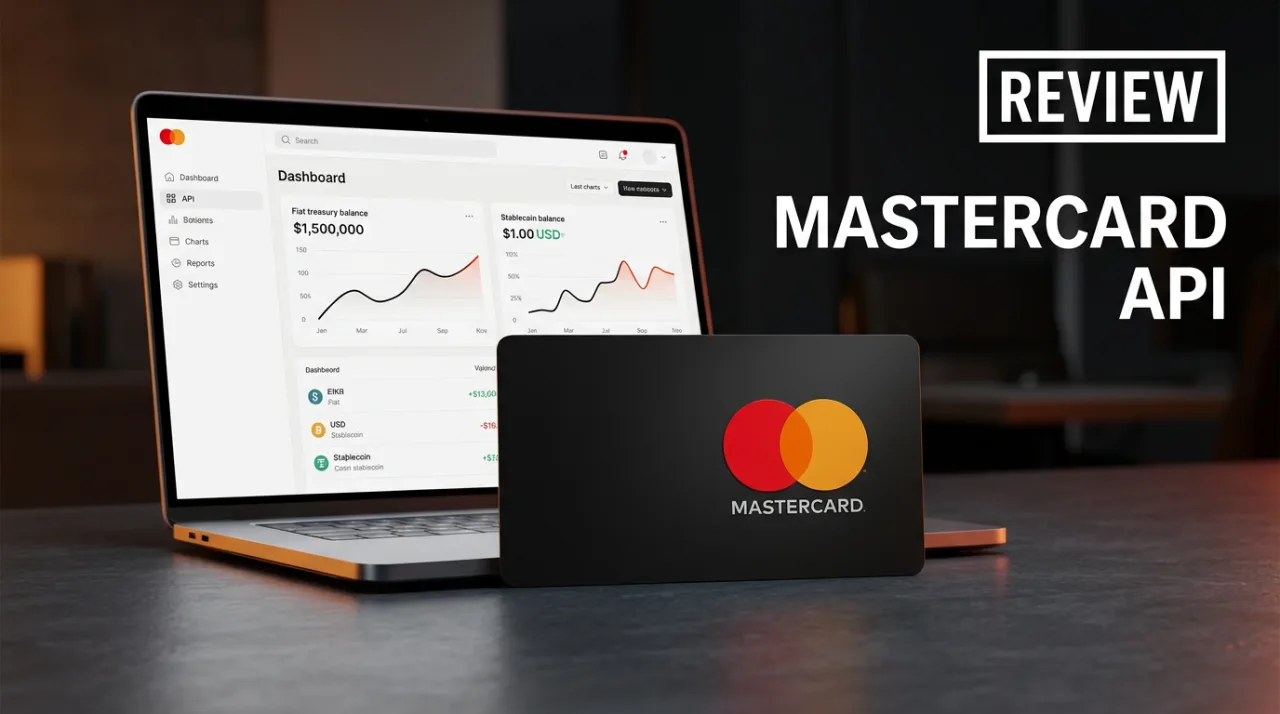
The Mastercard Global Money Platform integrates BVNK's stablecoin infrastructure with Mastercard's payments network through a single API launched on October 15, 2026. It supports holding, converting, sending, receiving, and spending both fiat currencies and stablecoins such as USDC. The platform targets fintechs, banks, and enterprises seeking multi-currency capabilities without separate systems for each asset type.
Mastercard Global Money Platform Overview and Background
Mastercard completed its acquisition of BVNK on August 3, 2026, following an announcement in March of the same year. The deal reached up to $1.8 billion, including contingent payments. The resulting platform combines Mastercard's network reach with BVNK's stablecoin tools, allowing real-time conversions between fiat and stablecoins as well as fiat-to-fiat transfers. It covers 50 or more fiat currencies and operates across 20 or more blockchains.
Early adopters include Nuvei, Marqeta, Ontop, Bolt Group, and Almond FinTech. The service offers three delivery models: direct treasury accounts through BVNK, white-label embedded accounts, and self-managed setups. Payouts route through Mastercard Move to local bank accounts, currently reaching 17 billion endpoints with planned expansion to 40 currencies across 200 countries and territories in 2027. Issuing occurs in over 130 countries with acceptance in more than 200.
Modular design lets users activate only the required functions initially and add features later. The platform positions itself for programmable and agentic commerce use cases, including rewards on stablecoin holdings such as USDC and OUSD.
Key Capabilities, Pricing, and Integration Options
Core functions include multi-currency global accounts that hold fiat and stablecoins side by side, with choices between custodial and self-custodial wallet options. Users can issue stablecoin-linked Mastercard cards and execute local payouts via existing rails. The system supports conversions in real time and spending of stablecoin balances directly on the Mastercard network. Documentation indicates support for 50 plus fiat currencies alongside major stablecoins and other cryptos.
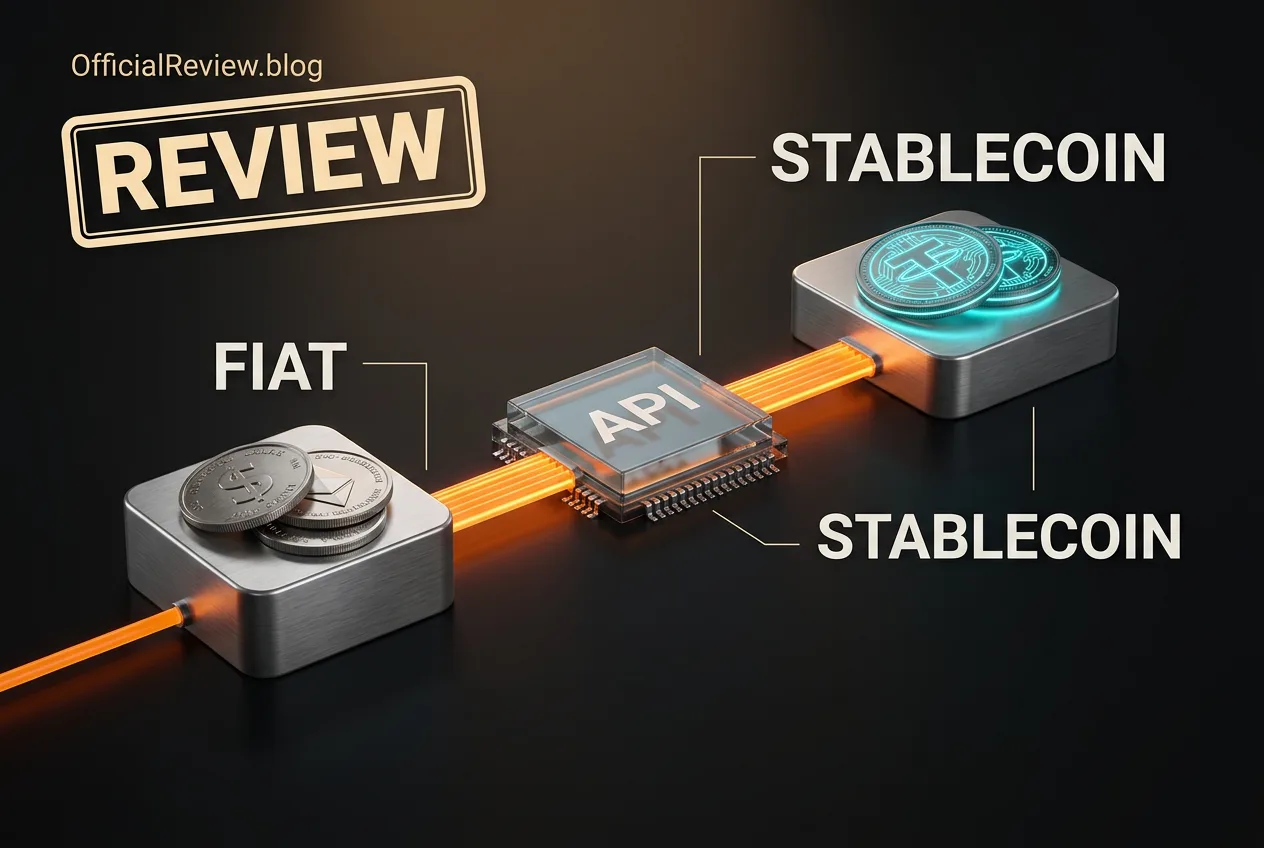
Pricing details remain unavailable in public documentation and require direct inquiry for enterprise quotes. No standard published rate cards or commission schedules appear on official sites. Hidden costs may include blockchain network fees during conversions and any card-issuing charges that vary by region. Free capabilities are not specified beyond basic account setup for qualified partners.
Integration occurs through BVNK's API endpoints, with options for embedded finance under a partner's brand. Technical requirements include compliance with local financial regulations in target markets. The platform supports both direct API calls and white-label configurations for marketplaces and payroll providers.
Security, Limitations, and Comparisons
Security relies on Mastercard's established infrastructure combined with BVNK's custody practices. No public information details specific certifications, insurance coverage, or independent audits beyond standard regulatory compliance statements. Known risks include typical stablecoin volatility exposure and blockchain settlement delays during peak periods, though real-time fiat rails mitigate some latency.
Limitations include the absence of published pricing transparency and the phased rollout of expanded Mastercard Move coverage scheduled for 2027. Support for tokenized deposits remains planned rather than currently available. User reviews from early integrators such as Nuvei highlight flexibility in stablecoin choice but note the need for custom compliance setups per jurisdiction.
Compared with standalone stablecoin processors, the platform offers broader card acceptance and payout endpoints through Mastercard Move. Against traditional multi-currency banking APIs, it adds native blockchain connectivity and stablecoin rewards. Relative to pure crypto gateways, it provides established regulatory backing and existing merchant networks. Public complaints center on initial setup complexity for non-technical teams, while positive feedback focuses on unified reporting across asset types.
Frequently asked questions
When was the Mastercard Global Money Platform launched?
The platform launched on October 15, 2026, after Mastercard completed its acquisition of BVNK in August 2026.
What currencies and assets does the platform support?
It supports 50 or more fiat currencies, major stablecoins, and other cryptos across 20 or more blockchains with side-by-side account holdings.
Are pricing details publicly available for the Mastercard Global Money Platform?
No standard pricing schedules are published. Enterprise quotes require direct contact, and potential blockchain fees may apply separately.
Which companies have integrated the platform so far?
Early integrators include Nuvei, Marqeta, Ontop, Bolt Group, and Almond FinTech, according to announcements from the launch period.
Comments
No comments yet. Be the first!