Ramp Bank Charter Review: Digital Asset Custody Application and Fintech Operations
Review summary
Ramp submitted an application on October 16, 2026, to the OCC for a national trust bank focused on fiduciary services and digital asset custody without taking deposits.
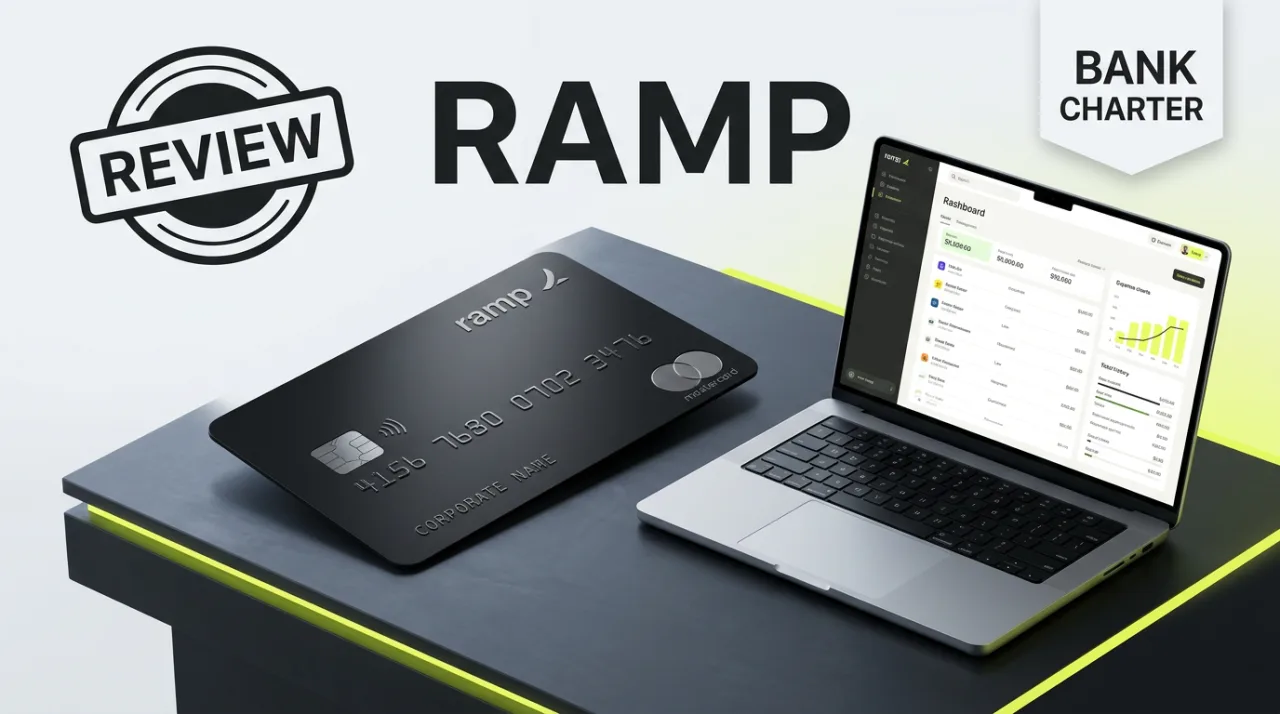
Ramp, the New York-based spend management platform, filed an application with the Office of the Comptroller of the Currency on October 16, 2026, to form Ramp National Trust Bank. The proposed entity would offer fiduciary investment management and digital asset custody under federal oversight. It would not accept deposits or extend commercial loans.
Ramp Bank Charter Application and Current Fintech Services
The application remains in its initial phase with no public timeline or decision date from the OCC as of October 20, 2026. If approved, the trust bank would place custody and investment activities under a single federal framework while Ramp continues to partner with existing banks for core deposit and lending functions. Ramp stated the move supports consistent regulation for product development and its goal of reducing business spending.
Ramp operates a corporate spend platform that includes virtual and physical cards, expense tracking, bill pay automation, procurement tools, vendor management, accounts receivable features, and accounting integrations with QuickBooks and NetSuite. The company added AI capabilities for fraud detection, automated expense review, token spend management, and model routing. It serves more than 85,000 business customers and reports annualized revenue above $2 billion along with annualized purchase volume exceeding $275 billion. Customers include Shopify, Uber, Visa, Robinhood, and Anduril. Ramp currently relies on partner banks such as First Internet Bank of Indiana for checking accounts and other institutions for cards and investments.
The OCC has granted or conditionally granted 21 national trust bank charters since the start of the current presidential term, including 13 to crypto-related applicants. Ramp follows Rain, which filed a similar application on October 5, 2026. The Independent Community Bankers of America filed suit against the OCC on October 2, 2026, challenging the regulator’s authority to issue certain non-depository trust charters.
Pricing Structures, Operational Limits, and Competitive Context
Ramp offers a free tier at $0 per user per month that provides unlimited cards, basic expense and bill pay tools, standard integrations, and 2 percent yield on FDIC-insured checking balances plus an investment account option. The Plus plan costs $15 per user per month plus a platform fee scaled to team size, with a 20 percent discount for annual billing; it adds multi-entity support, custom approval workflows, deeper NetSuite integrations, and advanced AI features. Enterprise plans use custom pricing and annual contracts for full configuration.

Bill pay carries variable fees depending on the method, with standard ACH often free from Ramp Checking while wires and checks incur charges. Cashback rates reach up to 1.5 percent and vary by customer. The proposed trust bank would add custody services that are not currently offered directly by Ramp.
Compared with other fintechs pursuing similar charters, Ramp’s scale differs markedly. Its $60 billion valuation after the October 2026 funding round and $275 billion purchase volume exceed most peers. Competitors such as Rain focus more narrowly on crypto payments and custody without the same breadth of spend management tools. Traditional trust banks often require higher minimum assets and charge custody fees starting at 0.20 percent annually, structures that Ramp has not disclosed for its planned offering.
Key limitations include the early-stage status of the application, absence of disclosed timelines, and ongoing litigation that could affect OCC authority. Ramp has not specified which digital assets would be held or any launch schedule. Public user feedback on existing services highlights reliable card issuance and integration speed alongside occasional complaints about variable cashback rates and support response times during peak periods. No widespread complaints about the charter filing have surfaced yet because the proposal remains preliminary.
Frequently asked questions
What does Ramp’s trust bank application allow it to do?
The proposed Ramp National Trust Bank would provide fiduciary investment management and digital asset custody services under federal rules without accepting deposits or making commercial loans.
How much does Ramp charge for its current plans?
The free tier is available at no cost per user. Plus starts at $15 per user monthly plus a team-based platform fee, with Enterprise pricing quoted individually.
When will Ramp offer digital asset custody?
No timeline has been announced. The application is at an early stage and the OCC has not scheduled review or public comment periods.
What competitors also applied for national trust charters recently?
Rain filed an application on October 5, 2026. The OCC has approved 21 such charters since the start of the current term, 13 of them for crypto-related firms.
Comments 7