Razorpay Vulcan Review: Capabilities of India’s First AI Payments Foundation Model
Review summary
Razorpay Vulcan is a transformer-based foundation model trained on billions of Indian payment transactions. This review details its capabilities, access model, and reported outcomes.
Razorpay Vulcan review begins with the launch of India’s first transformer-based AI payments foundation model on August 18, 2026. Built entirely by Razorpay on proprietary architecture and trained on masked data from roughly 4 billion transactions, the model runs on NVIDIA GPUs and AWS infrastructure hosted in India. It targets common friction points in domestic payments such as route failures and checkout drop-offs.
Razorpay Vulcan Overview and Core Features
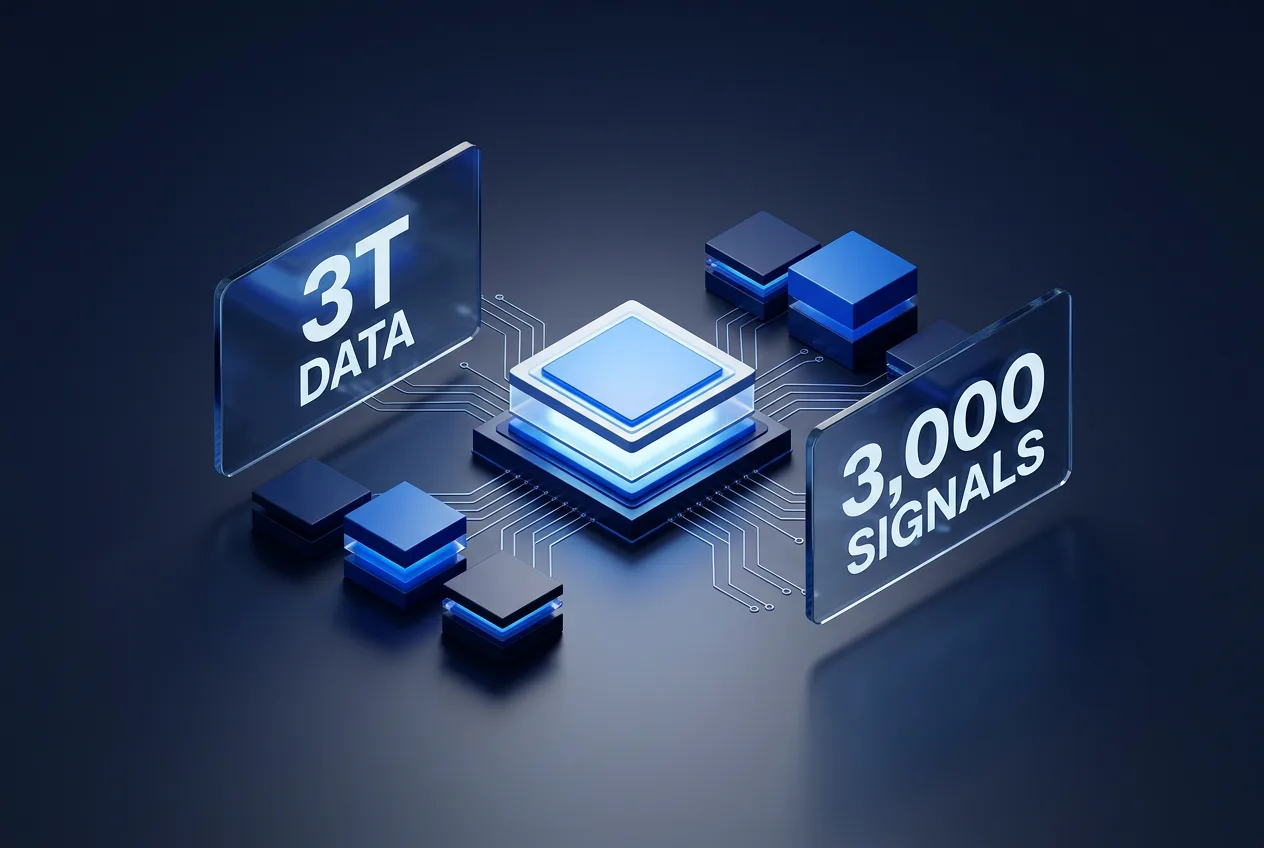
The model processes approximately 3 trillion data points and draws on about 3,000 signals per transaction. One-way hashing removes personal and merchant identifiers before training, according to company statements. Four production heads currently operate on a shared backbone with task-specific layers: real-time payment routing that scores routes for success probability, network-wide fraud detection, cash-on-delivery risk scoring, and checkout personalization that suggests likely-success payment methods such as specific UPI apps.
Razorpay states the single model replaces multiple narrow machine-learning systems previously used for the same tasks. Early deployments with merchants including Blinkit, Bachatt, and redBus produced company-reported gains of 8–10 percent higher payment success rates, eight times more international card fraud stopped, five times more disputed transactions identified at the same alert volume, and 40 percent more shoppers shown their preferred UPI option, resulting in an estimated 100,000 to 200,000 additional monthly purchases. An internal study covering 1.5 million shoppers and more than 51,000 businesses shaped the initial design.
Training occurred on NVIDIA hardware with inference and scaling handled through Amazon SageMaker. The company processes around 4 billion customer-to-merchant payments each year, providing the continuous data stream for ongoing model updates. No public technical whitepaper has been released.
Razorpay Vulcan Pricing, Performance, and Limitations
No separate fee applies for access to Vulcan. The model is delivered as an included layer on the existing Razorpay gateway platform. Standard pricing remains in effect: approximately 2 percent platform fee plus GST on successful domestic transactions, with promotional periods such as zero fees for the first 90 days or up to 500,000 rupees in GMV for new merchants. Enterprise agreements use custom rates; international transactions carry higher fees. No setup or maintenance charges apply to standard accounts.
Reported outcomes come solely from Razorpay disclosures and lack independent baselines, methodology details, or third-party audits. Privacy considerations under India’s DPDP Act have been raised regarding merchant opt-out rights and the legal basis for training on transaction data held by the processor. Expansion plans include authentication and lending or underwriting use cases, which may attract further regulatory review.
Merchants already on Razorpay can test the model through existing dashboards without additional configuration. Interface changes are minimal because the AI operates in the background on routing, fraud, and checkout flows. Technical requirements match standard Razorpay integration via APIs or hosted checkout pages.
| Aspect | Razorpay Vulcan | Typical Narrow ML Models | Enterprise Rule Engines |
|---|---|---|---|
| Training data scale | 4 billion transactions | Merchant-specific subsets | Manual rule sets |
| Fraud detection lift | 8x reported | Variable by merchant | Fixed thresholds |
| Access cost | Included in gateway fee | Often separate | License plus maintenance |
| Update frequency | Continuous via new data | Periodic retraining | Manual updates |
Common user observations shared on forums and review sites note improved success rates on UPI routes after activation and fewer false-positive fraud blocks compared with prior Razorpay settings. Some merchants report no visible change on low-volume accounts. Complaints center on limited transparency around how decisions are reached and the absence of granular controls for individual heads. Sources include discussions on Medium, Reddit r/IndianStartups threads, and merchant feedback sections on Razorpay’s own support portal.
Limitations include reliance on company-supplied metrics without disclosed confidence intervals and the current restriction to four use cases. Future paid tiers for advanced capabilities remain possible but are not yet announced. Regulatory scrutiny could increase as the model expands into credit-related decisions.
Frequently asked questions
How is Razorpay Vulcan trained?
The model trains on masked transaction data from roughly 4 billion payments using NVIDIA GPUs. One-way hashing prevents personal identifiers from reaching the model.
Does Razorpay charge extra for Vulcan?
No separate fee exists. Access comes through the standard Razorpay gateway at the usual 2 percent platform fee plus GST on successful domestic transactions.
What performance gains does Razorpay report?
Company figures include 8–10 percent higher success rates, eight times more international card fraud stopped, and 40 percent more personalized UPI recommendations at checkout.
Are third-party audits available for the results?
No independent audits or detailed methodology have been published. All performance numbers originate from Razorpay’s internal measurements.
What future uses are planned for the model?
Razorpay intends to extend Vulcan to authentication and lending or underwriting decisions while continuing to refine the existing payment heads.
Comments 2